Artificial IntelligenceDesignProcess
Our approach to AI in architecture and design
AI did not just accelerate our production — it redefined how we think, design and build. Here is how prompting became a design language, and why we stopped over-investing in renders.
The introduction of artificial intelligence into the creative process has not simply accelerated production. It has fundamentally redefined how we think, design and build.
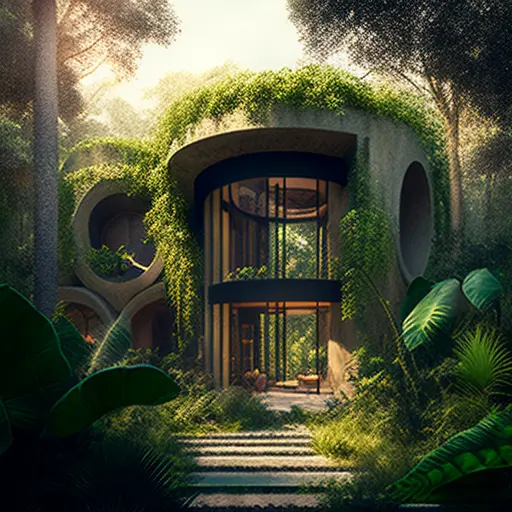
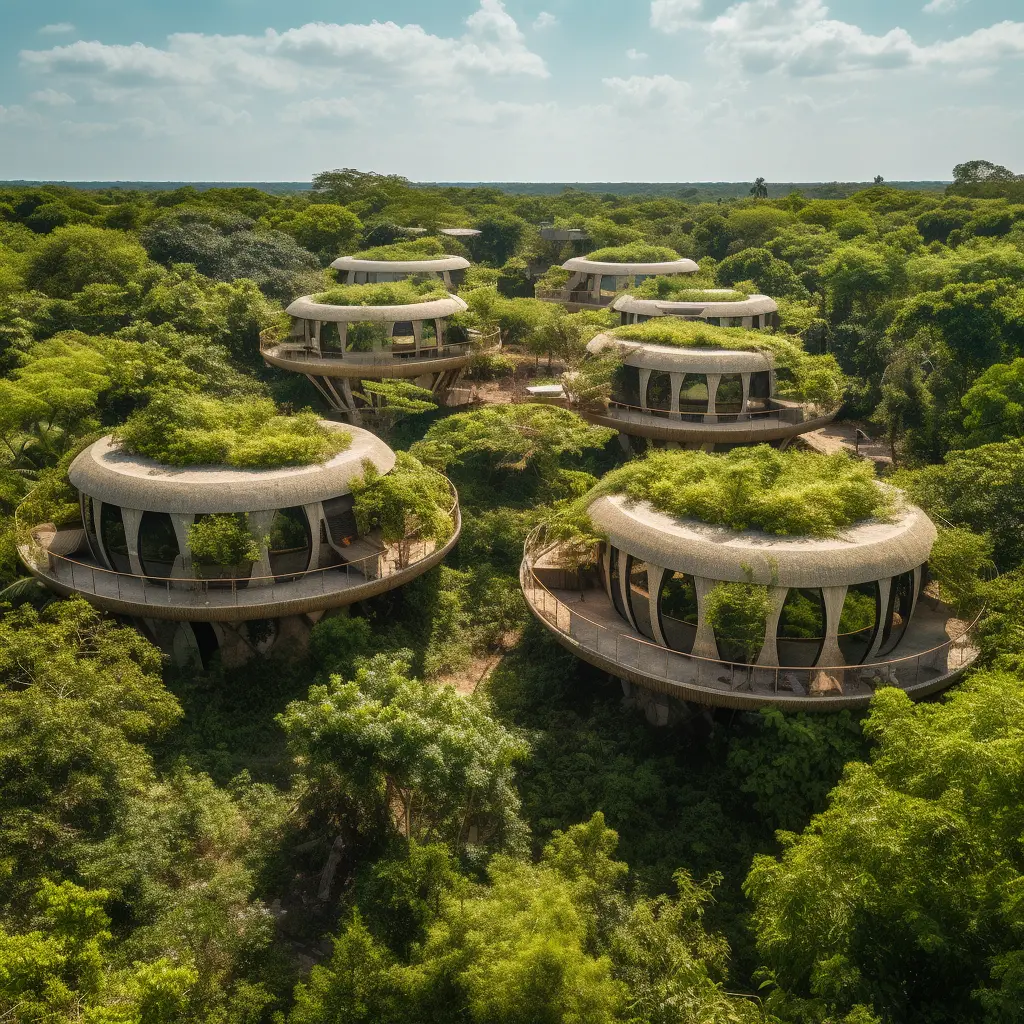
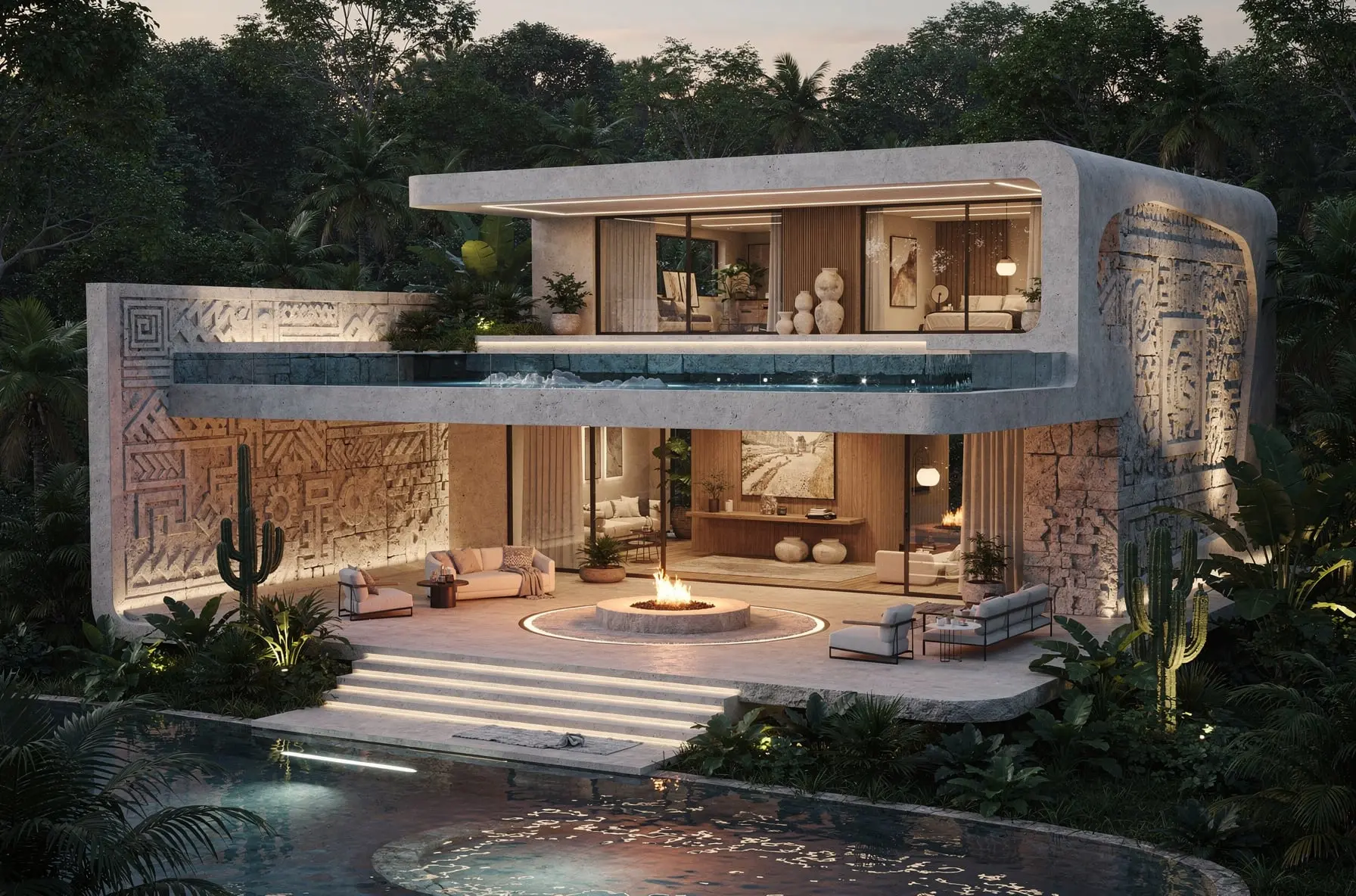
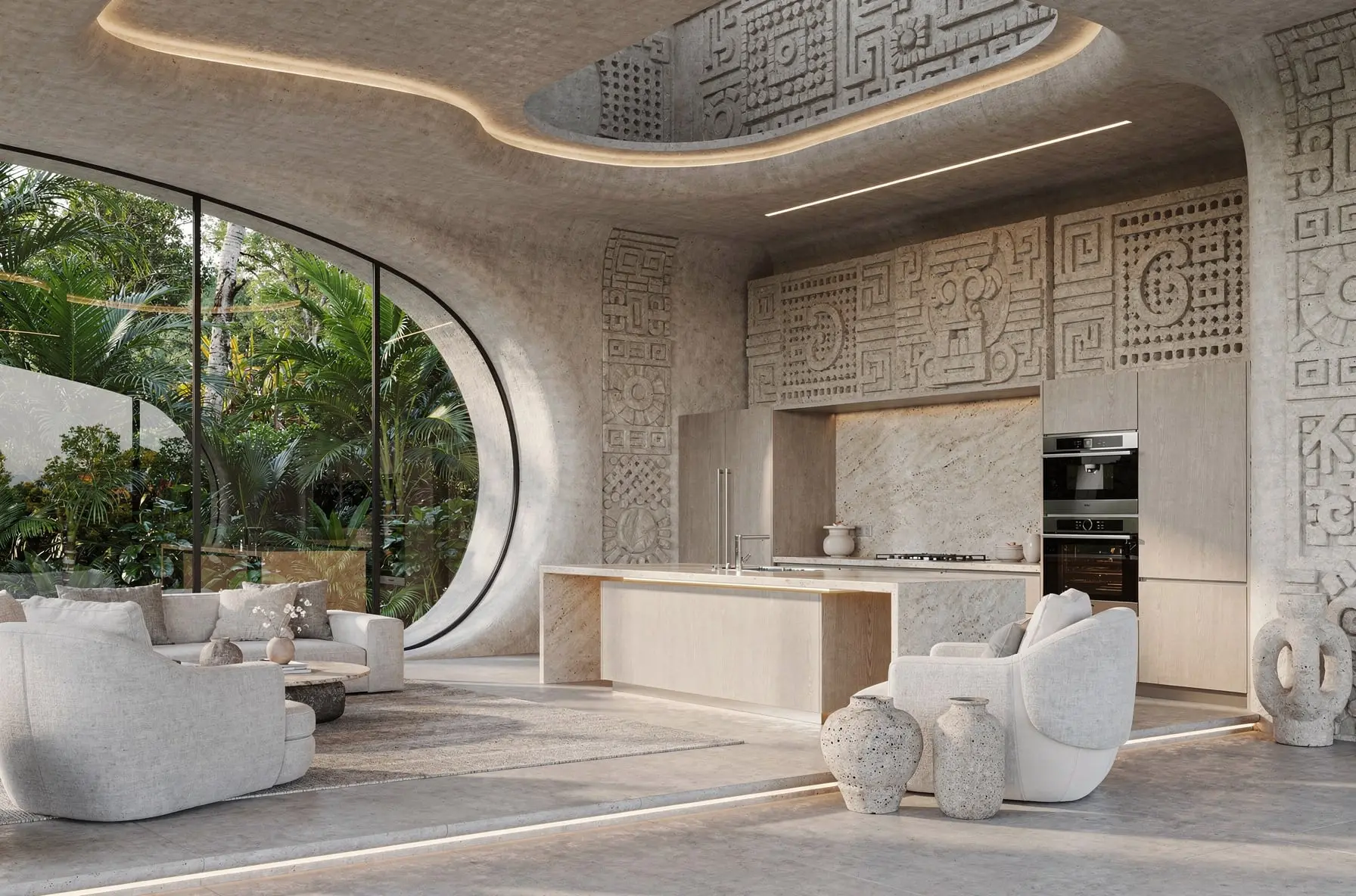
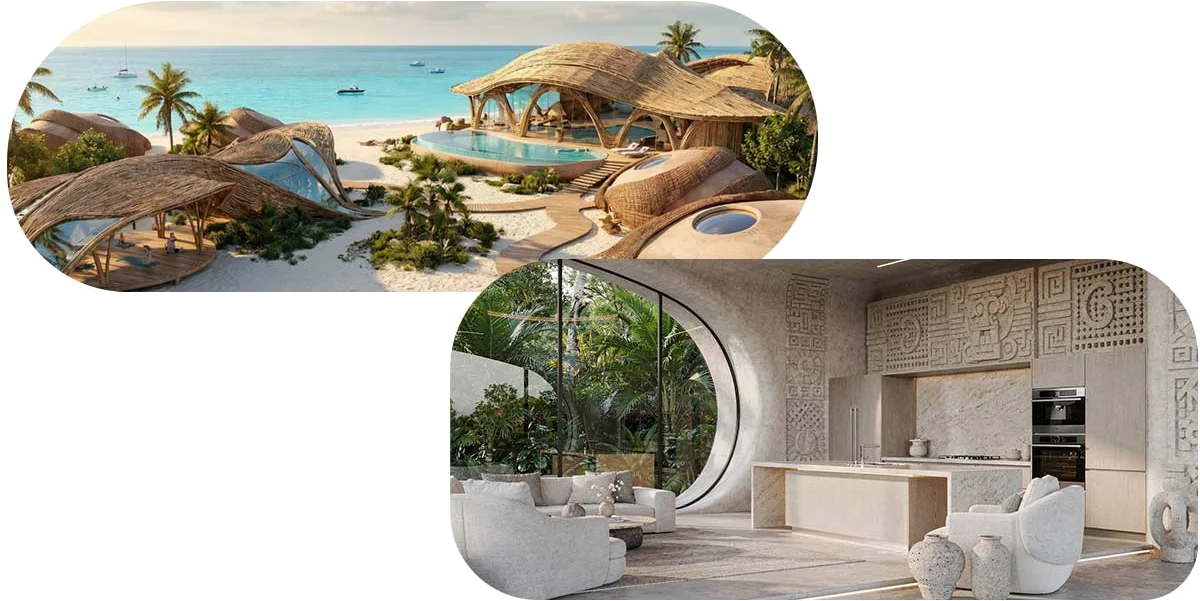
For us the turning point began with platforms like Midjourney. What started as a tool for visual experimentation quickly became an essential layer in our workflow, bridging the gap between imagination and early-stage design with unprecedented speed.
2022–2023 · Prompting as a design language
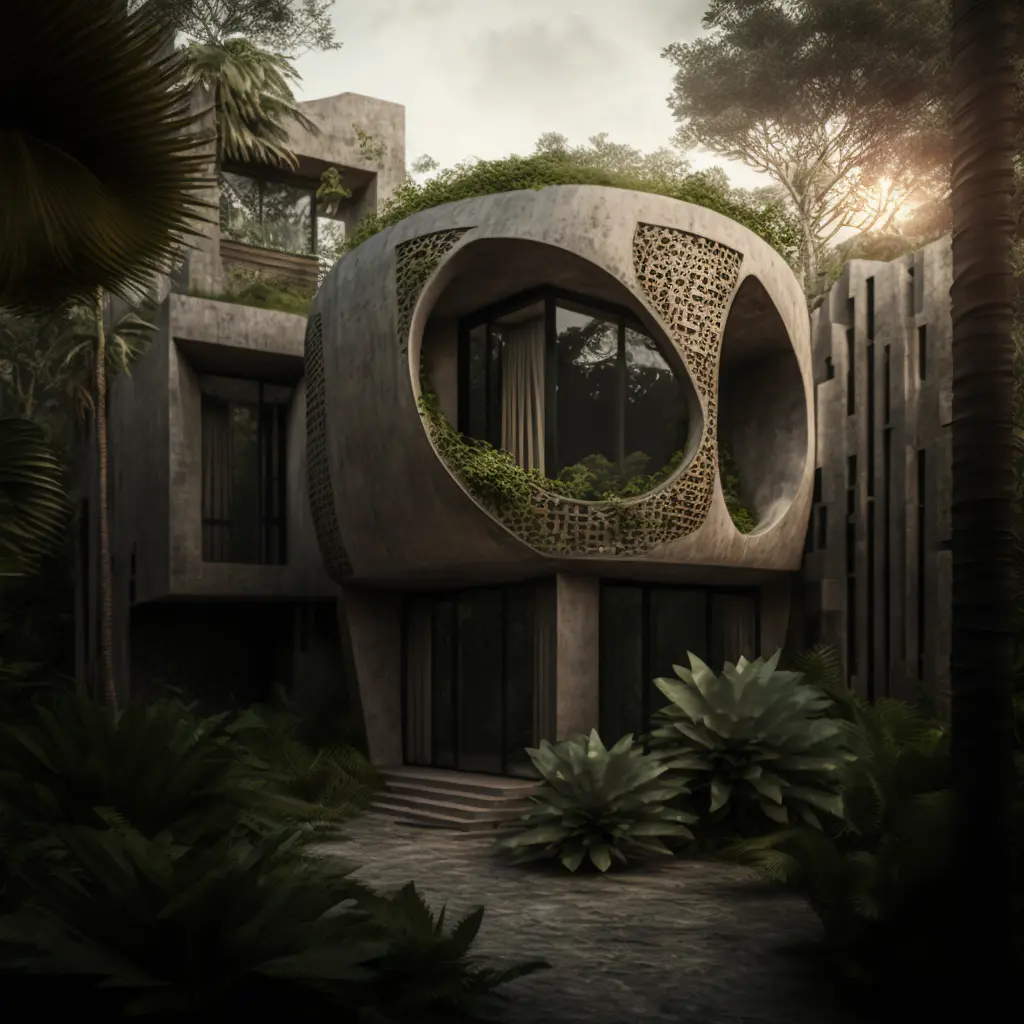
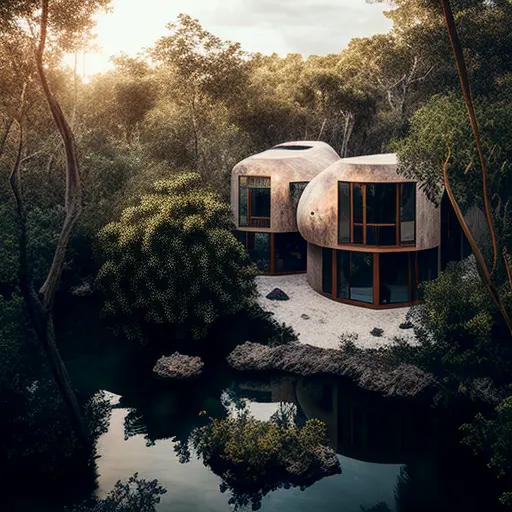
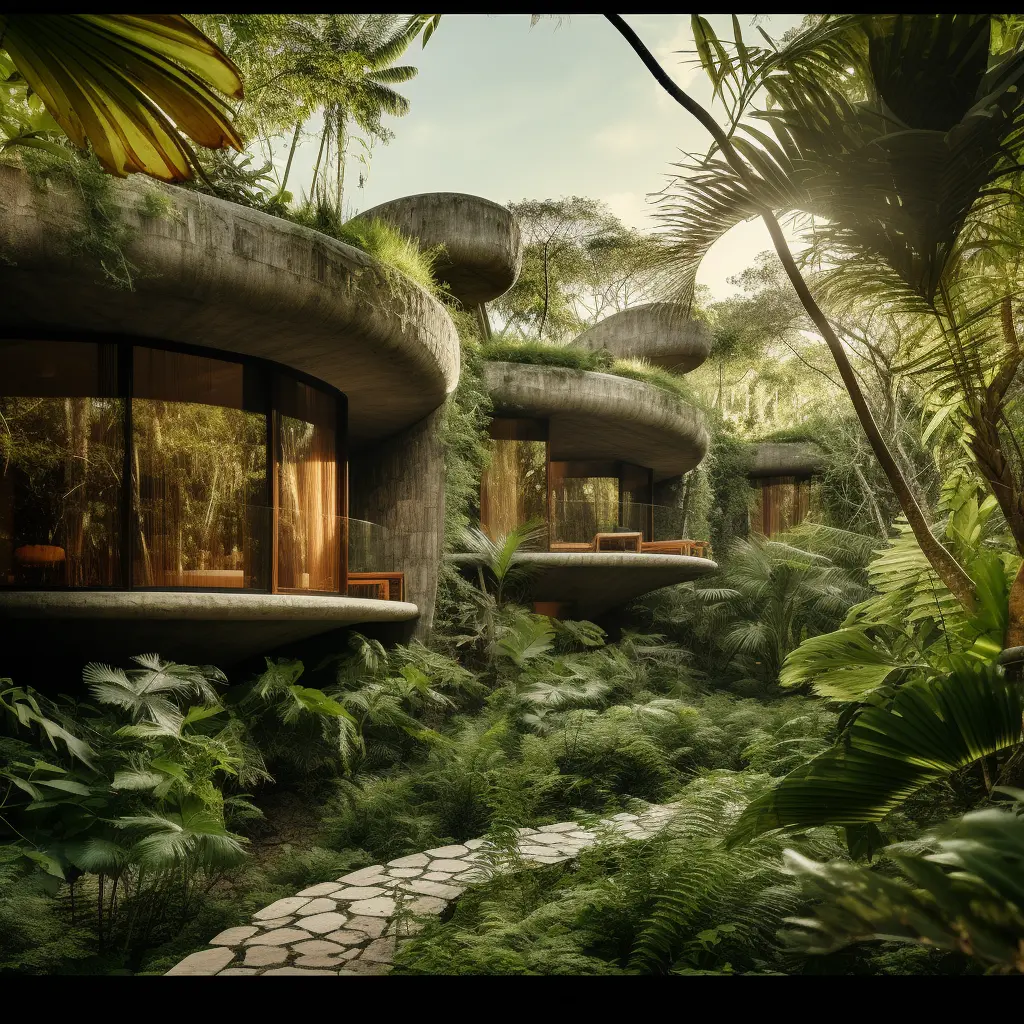
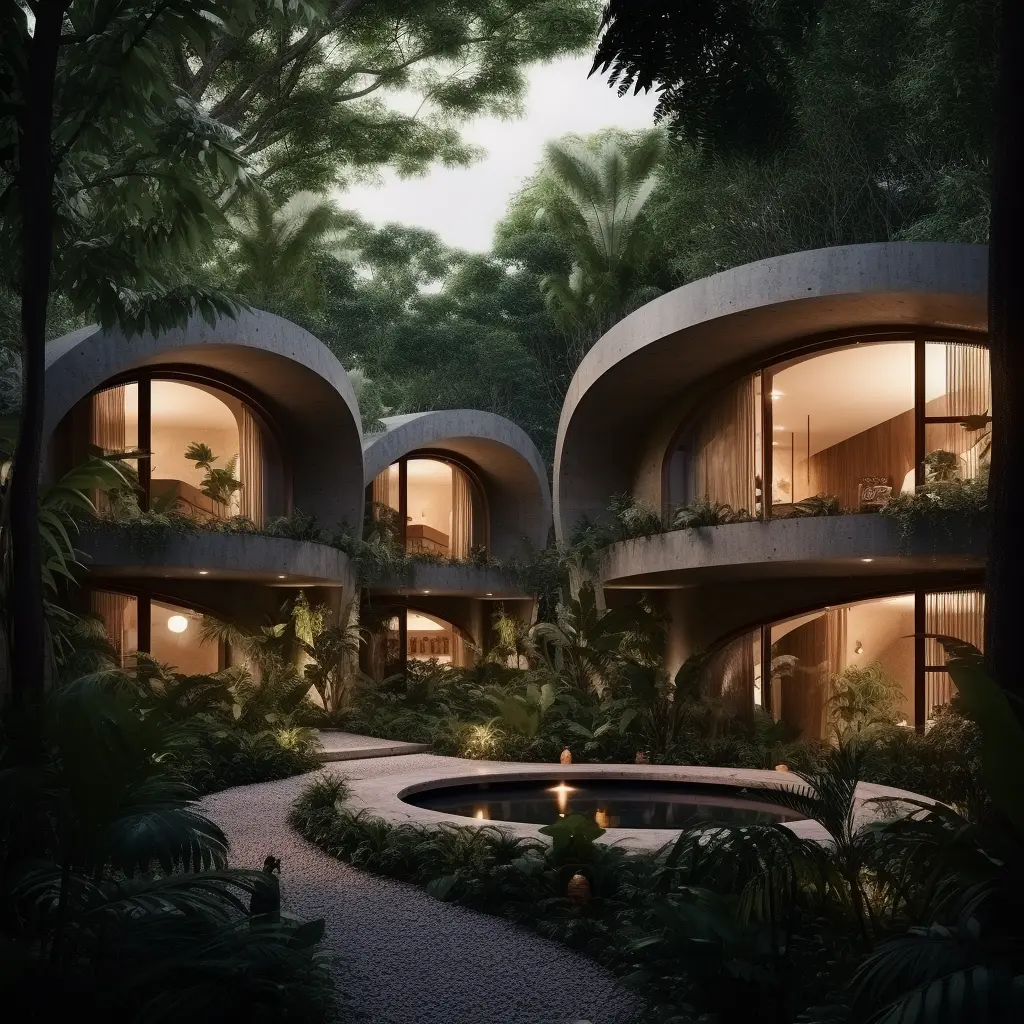
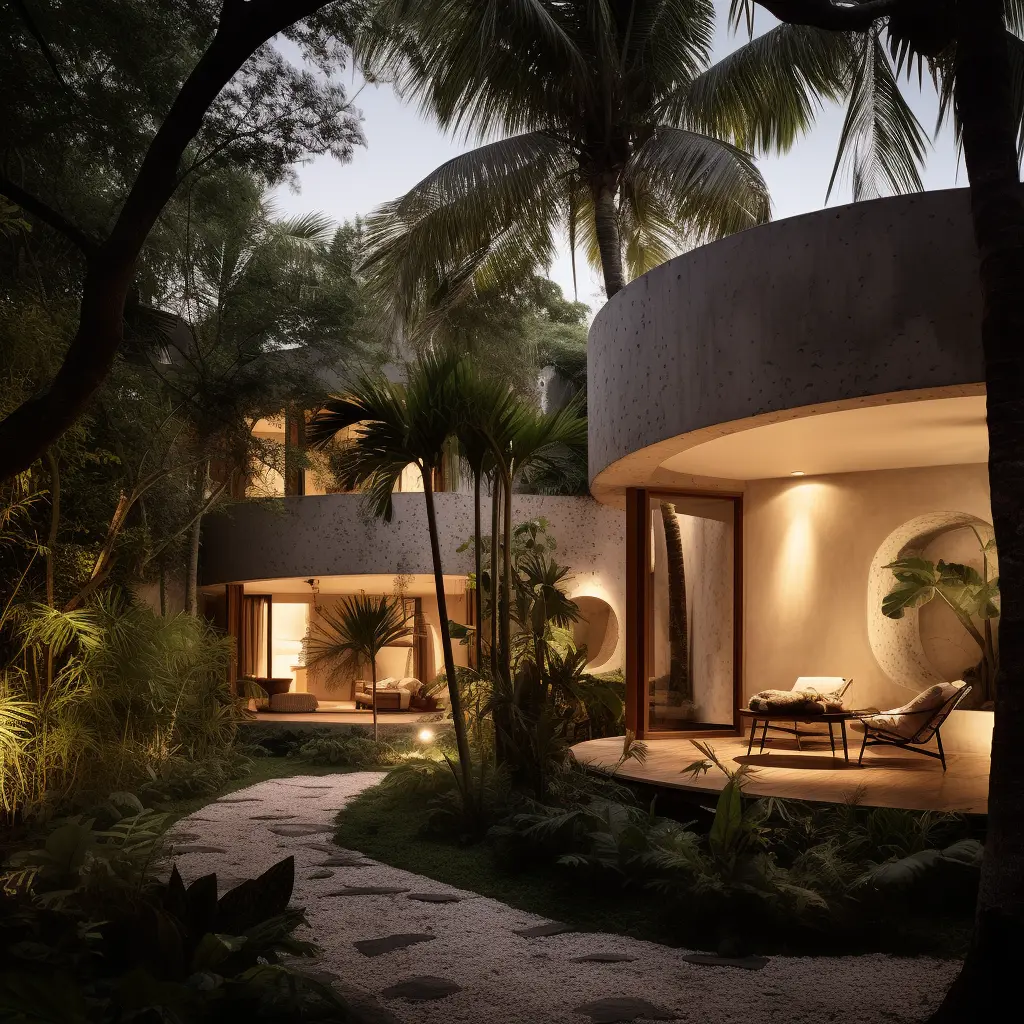
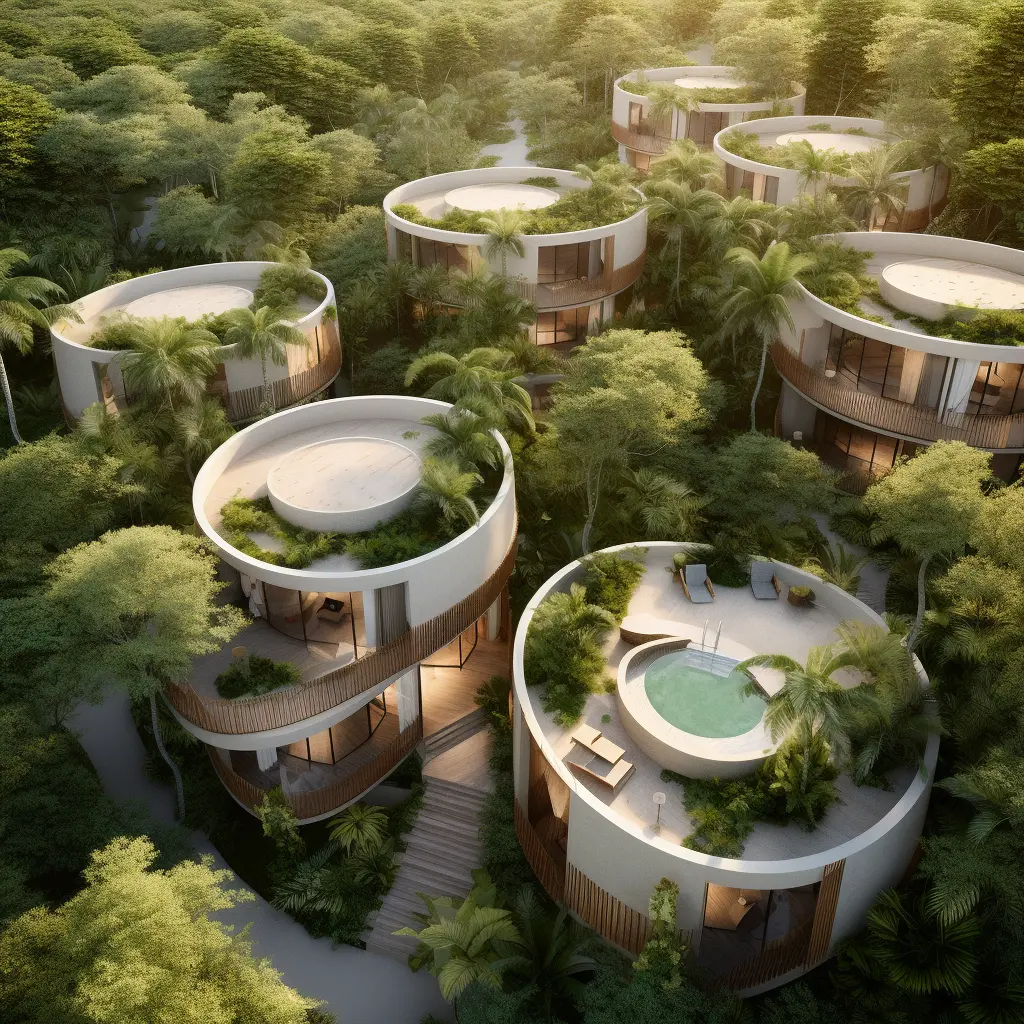
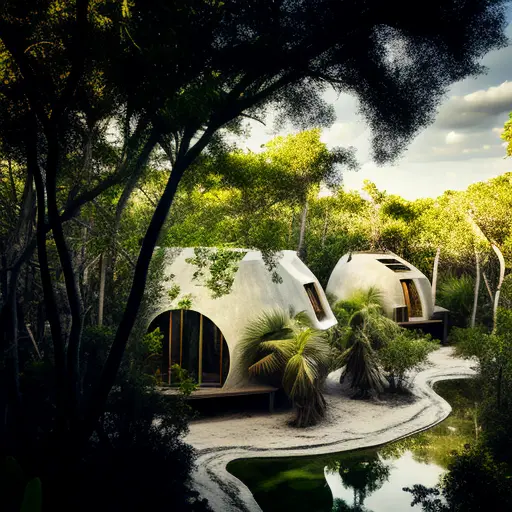
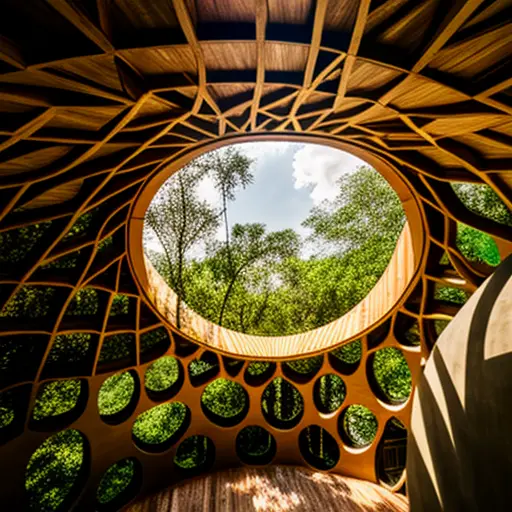
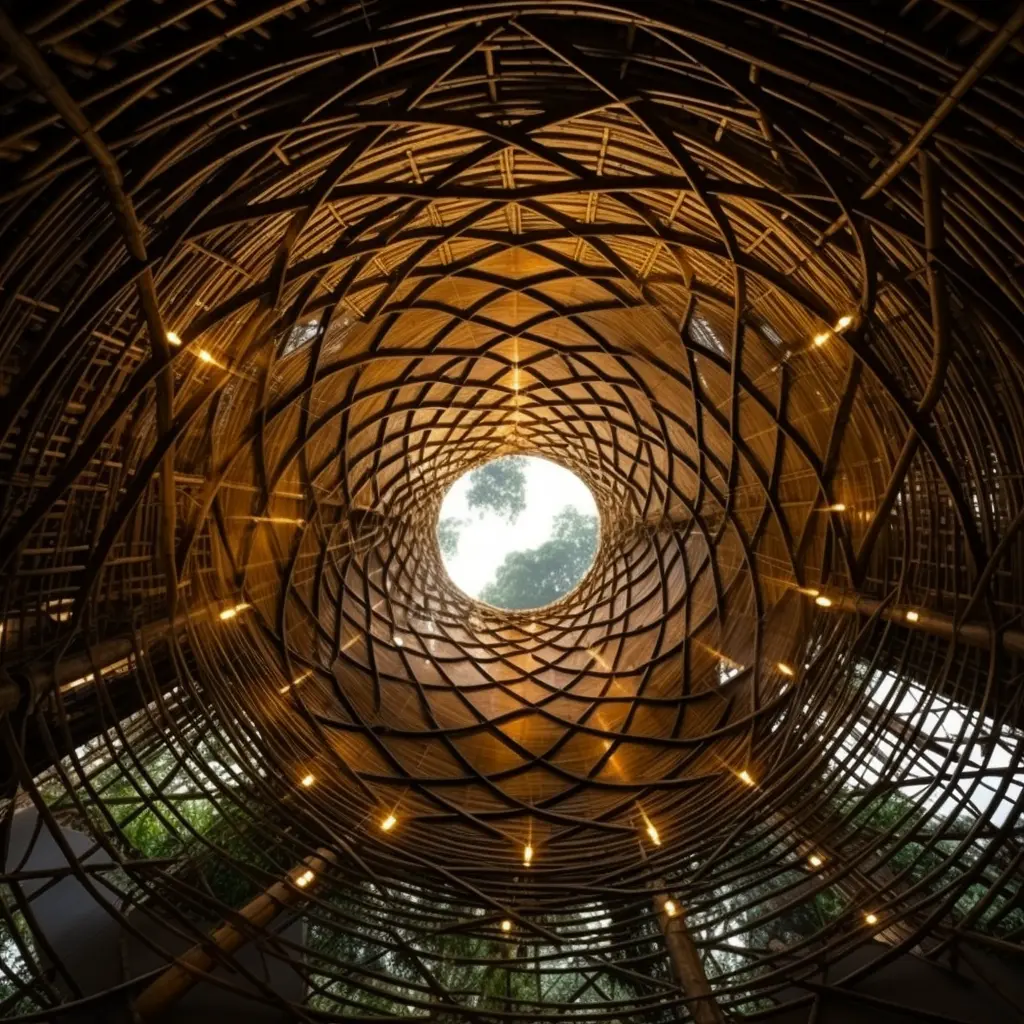
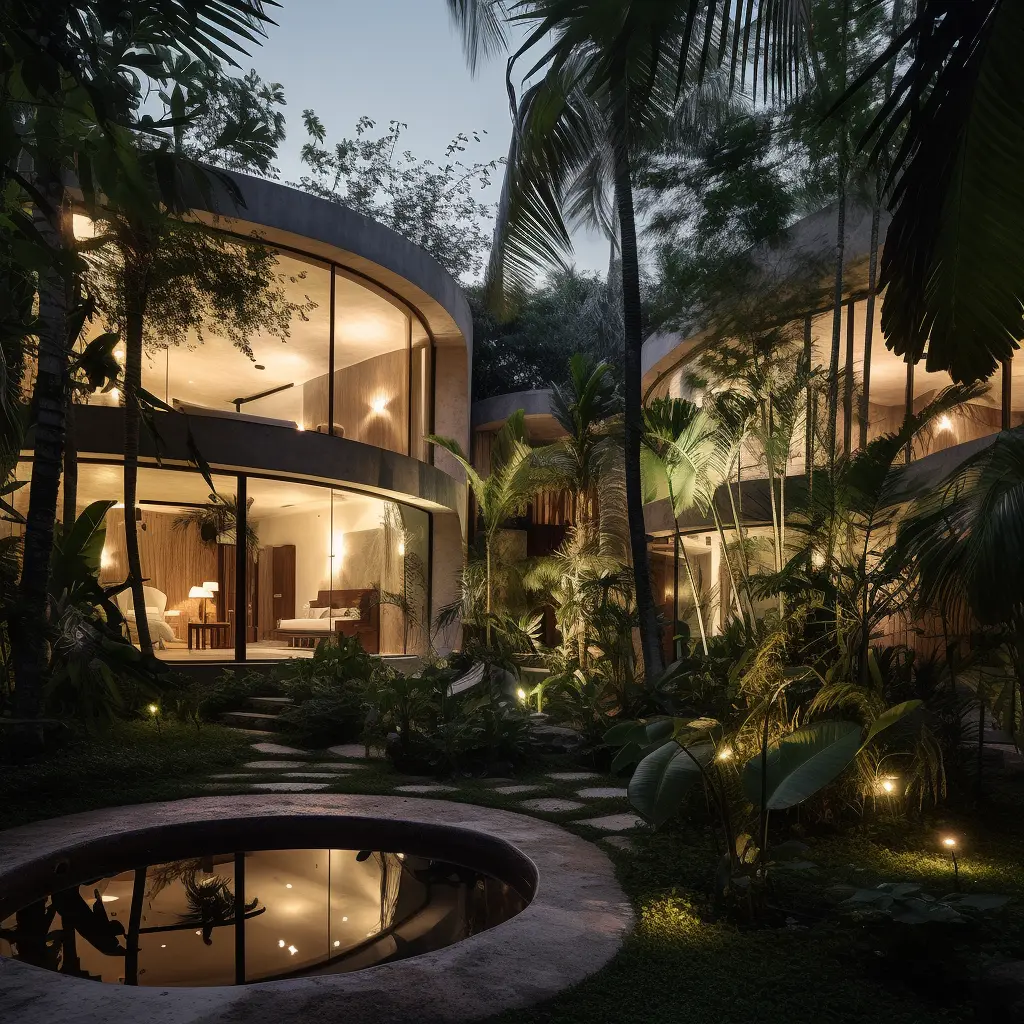
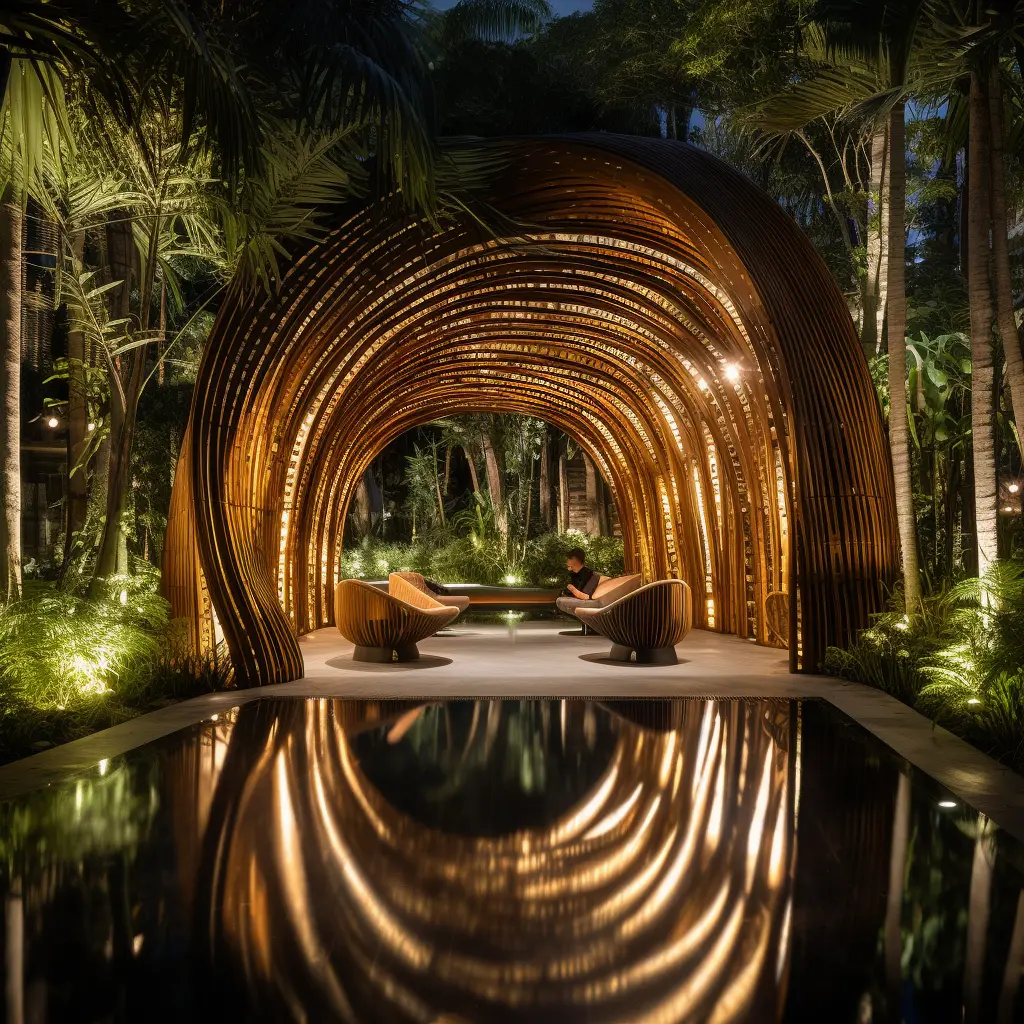
The initial vision for Nek Ha emerged through Midjourney, co-created by a multidisciplinary team of designers, architects and commercial strategists shaping the project from inception. Prompting became our new design language. Through it we defined the vocabulary of the project, aligning form, function and materiality across the entire team.
AI operated as a real-time visual extension of our thinking, letting us explore freely without the constraints of traditional tools. This reduced the need for heavy technical infrastructure in early stages, letting us focus on pure design while entrusting final renders to specialised partners.
From sketch to possibility
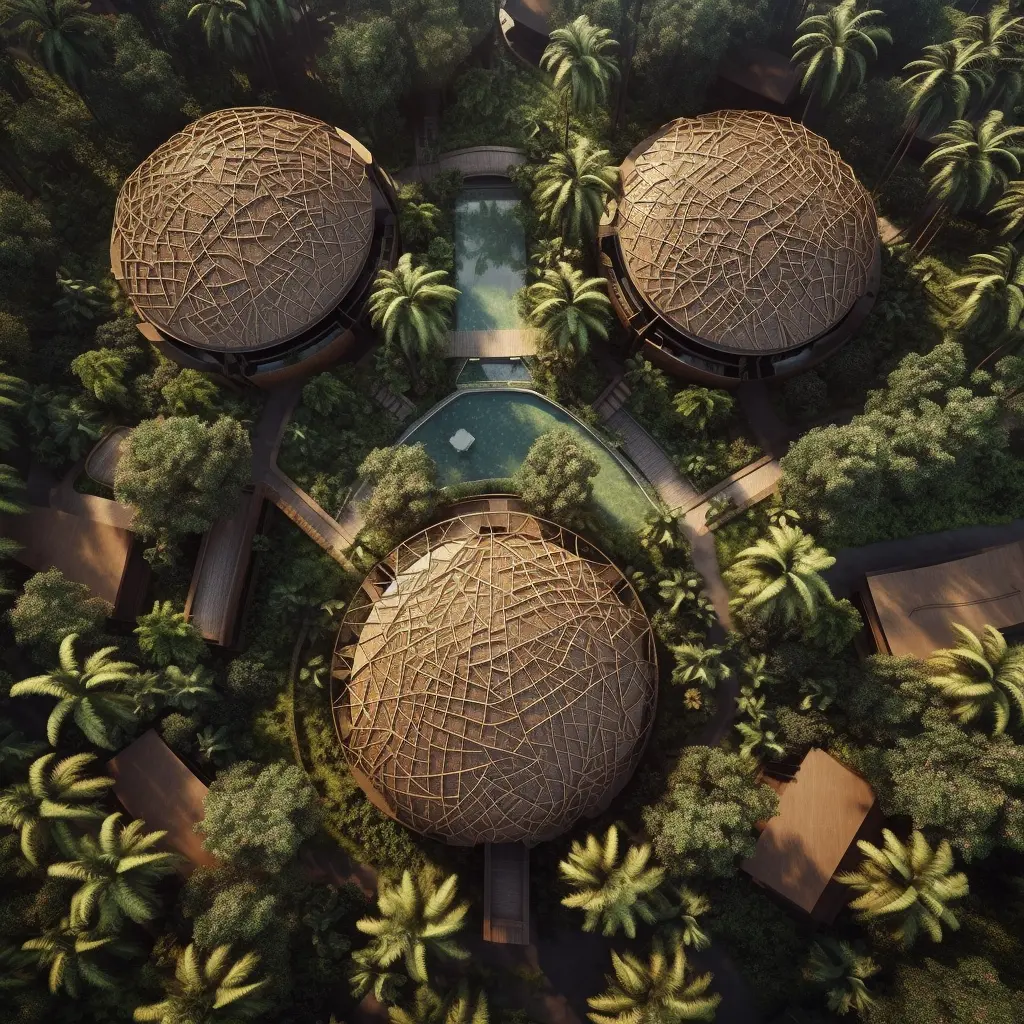
Before AI, translating ideas into visuals was time-consuming and resource-intensive. Early sketches required multiple iterations, and high-quality renders demanded significant investment in both time and cost. With AI that equation changed. We were suddenly able to generate multiple visual directions in minutes, explore architectural forms, materials and atmospheres without constraint, and iterate concepts rapidly without committing early to a fixed design.
AI became an extension of the creative mind — a tool not to replace thinking, but to expand it.
2024–2025 · Rethinking the role of renders
As developers focused on what we define as raw construction, we operate under a different philosophy: design is not static, it evolves.
Traditional renders, while useful for sales, often become obsolete the moment construction begins. In boutique development — where materials, site conditions and craftsmanship continuously inform the outcome — the final product naturally improves beyond initial projections. In that context, over-investing in hyper-realistic renders becomes inefficient.
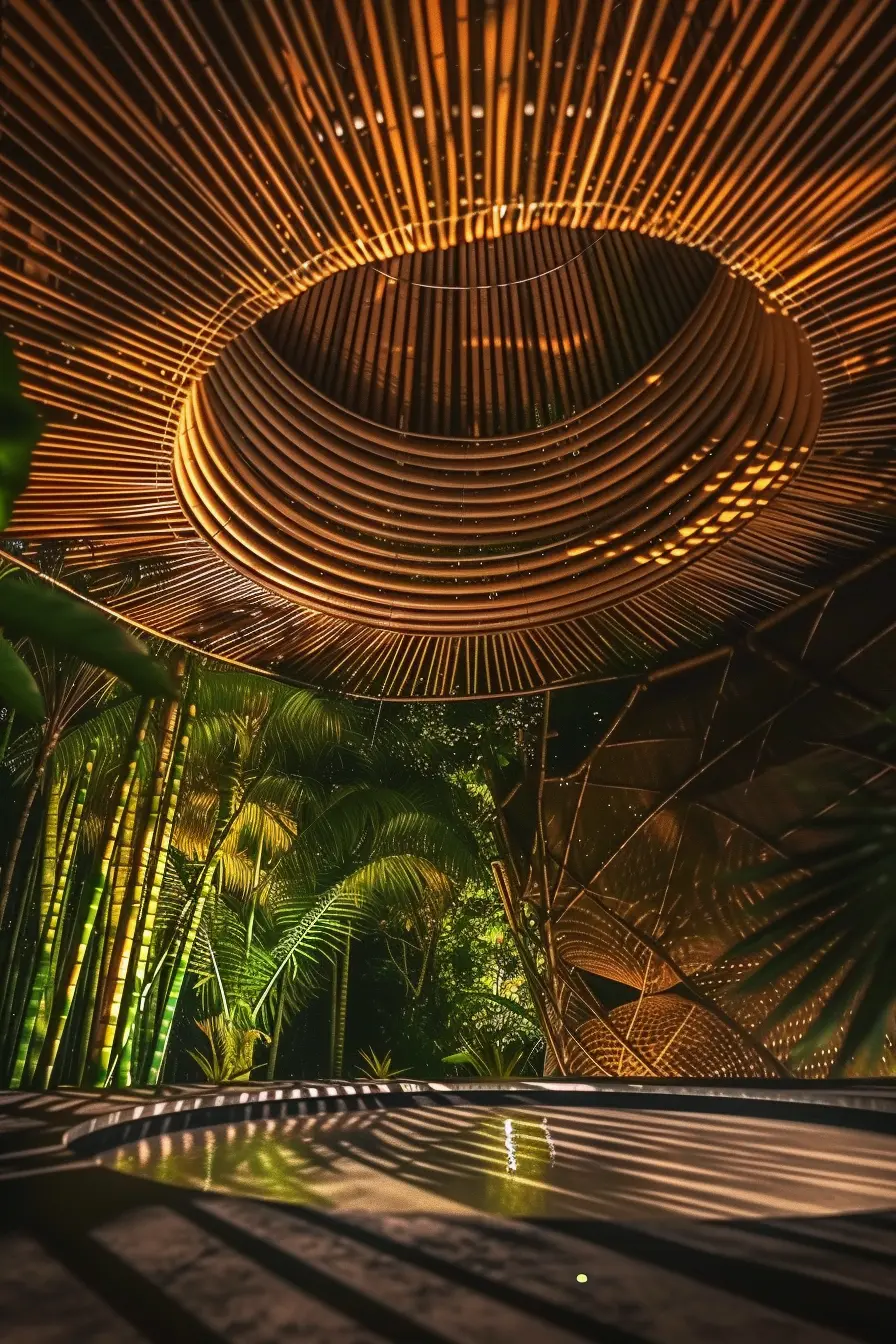
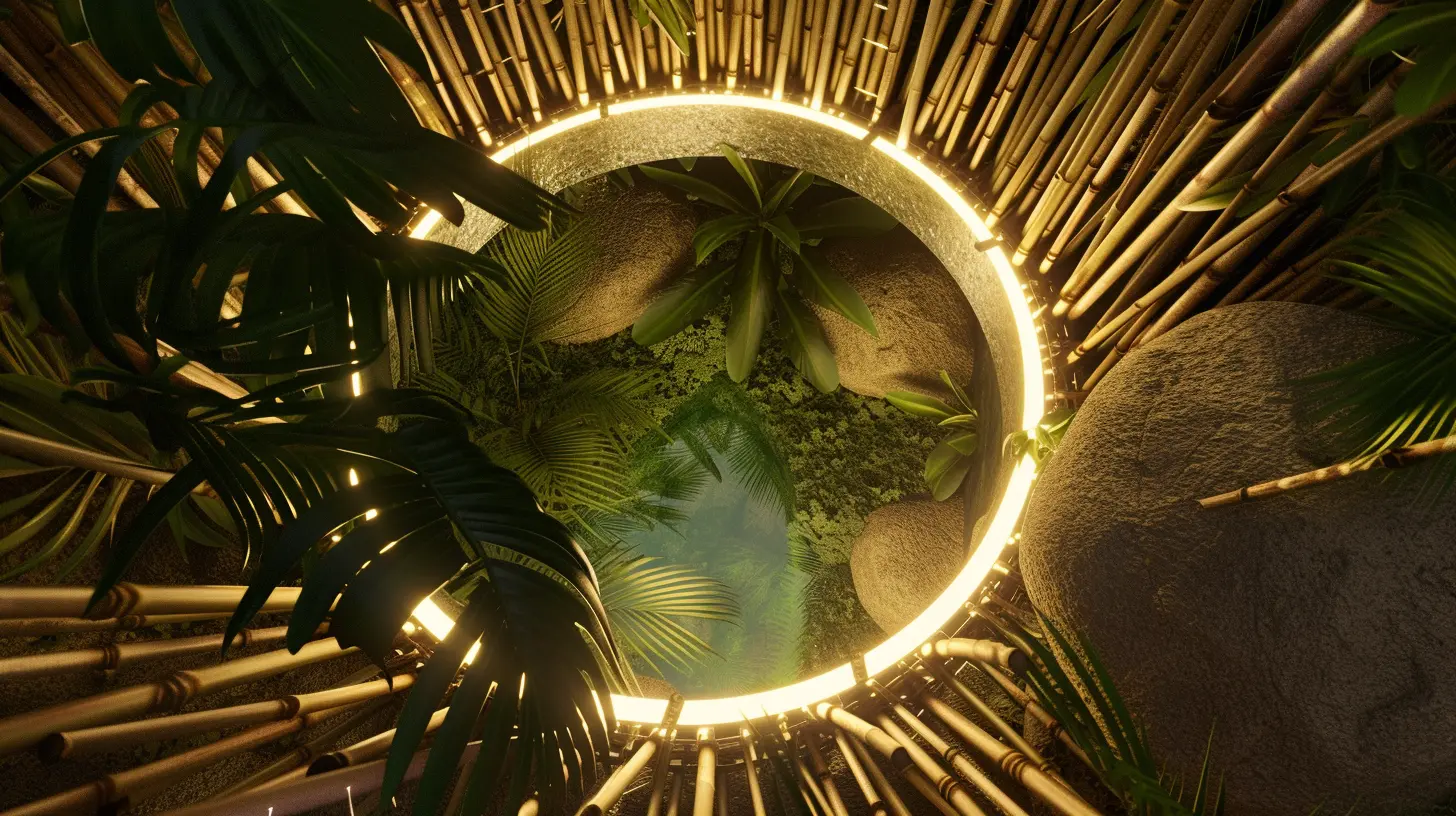
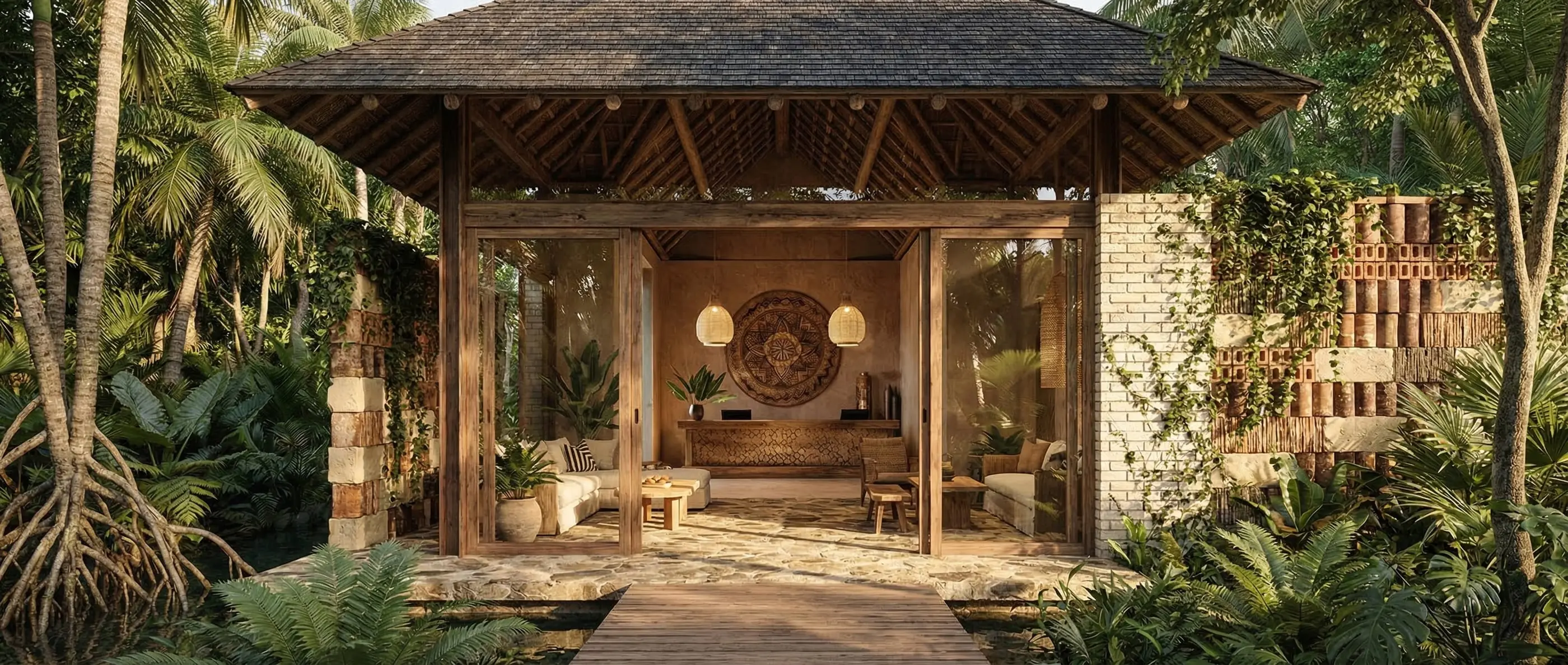
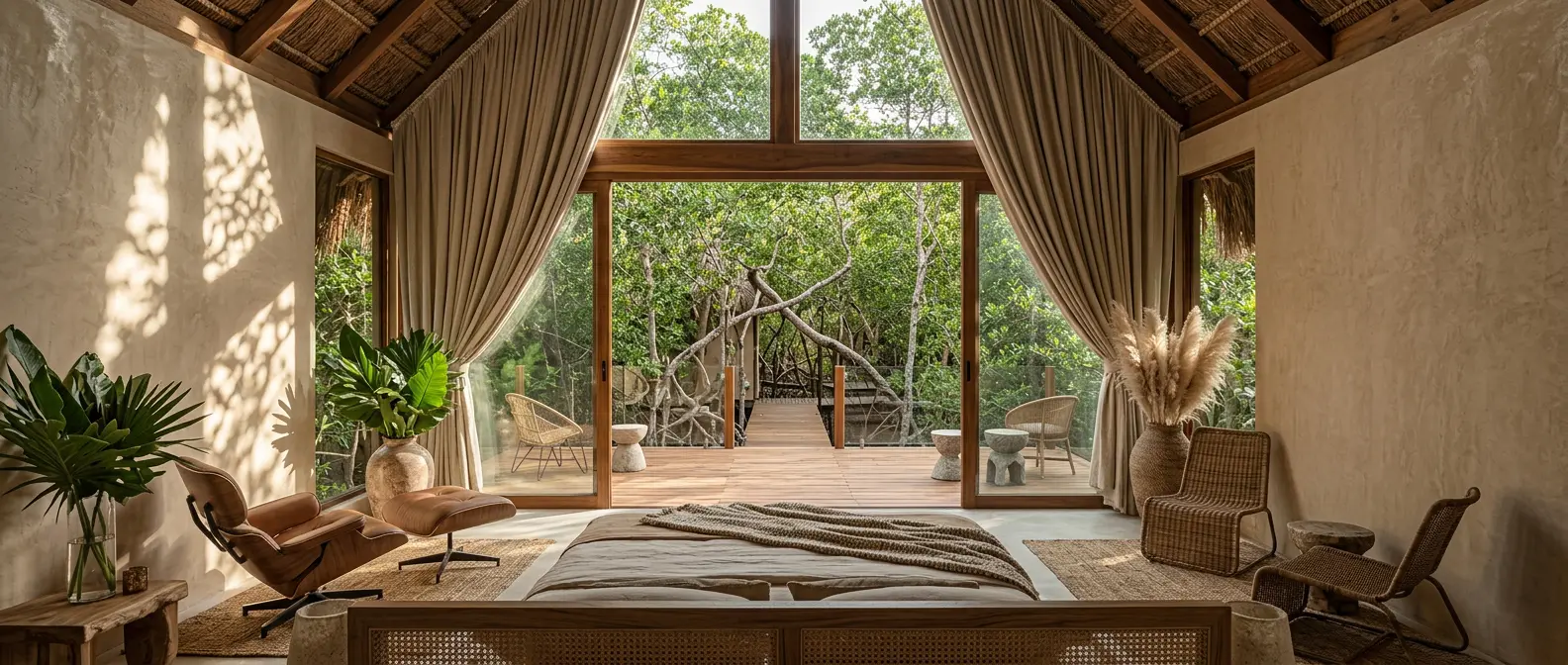
Instead of producing a limited number of expensive, fixed visuals, we generate a wide spectrum of conceptual imagery at a fraction of the cost, freeing resources to be reinvested where they matter most: the built reality.
Efficiency as a creative advantage
By reducing the financial and operational burden of early visualisation, we allocate resources more strategically — and put the savings back into the materials, the craftsmanship and the details that people actually live with.
Gallery