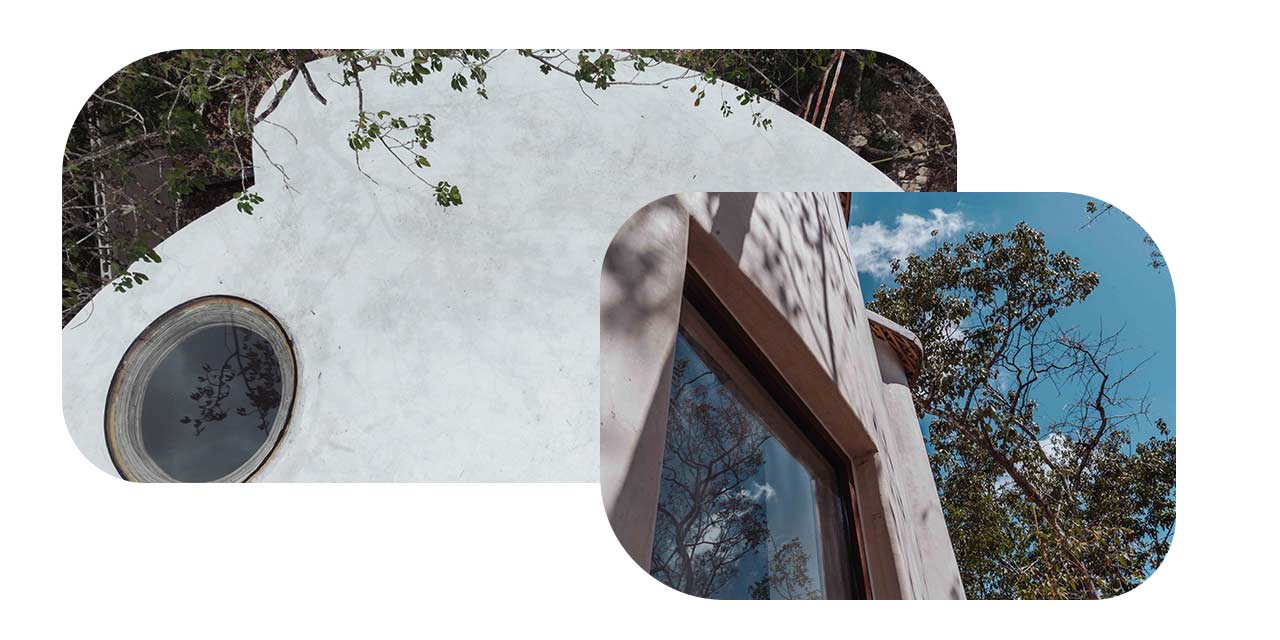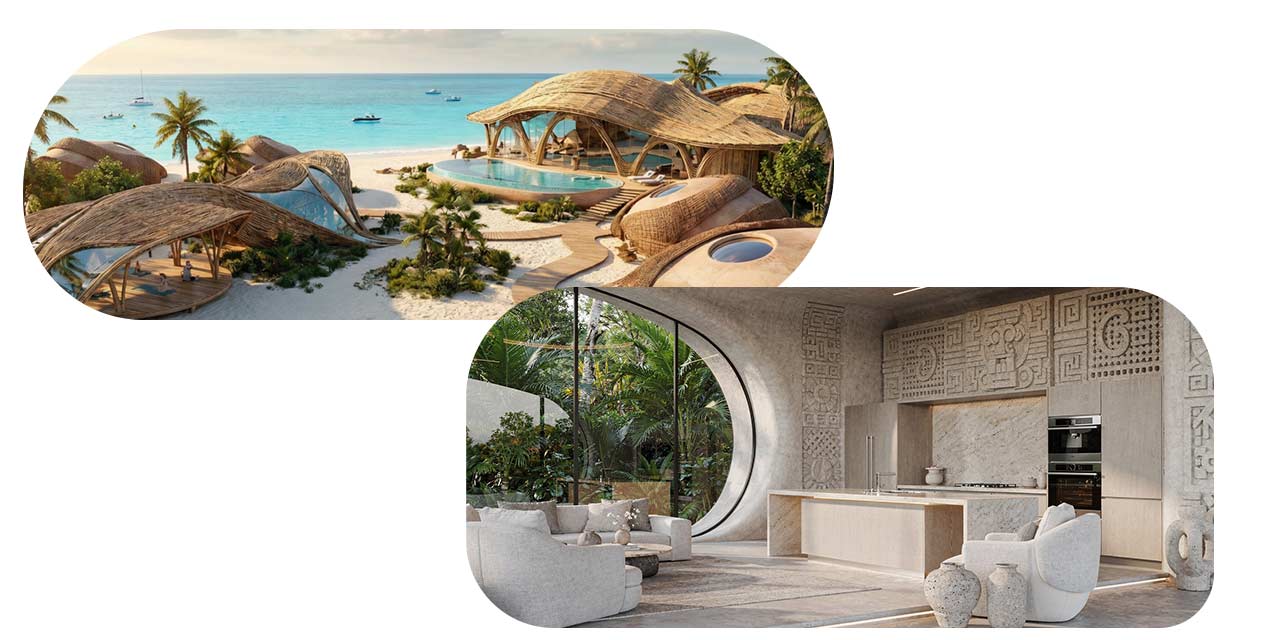
From Vision to Reality: How Artificial Intelligence Is Reshaping Design and Development
Rethinking Creativity, Efficiency, and the Role of the Render
The introduction of artificial intelligence into the creative process has not simply accelerated production, it has fundamentally redefined how we think, design, and build.
For us, the turning point began with platforms like MidJourney. What started as a tool for visual experimentation quickly became an essential layer in our workflow, bridging the gap between imagination and early-stage design with unprecedented speed.
2022 – 2023
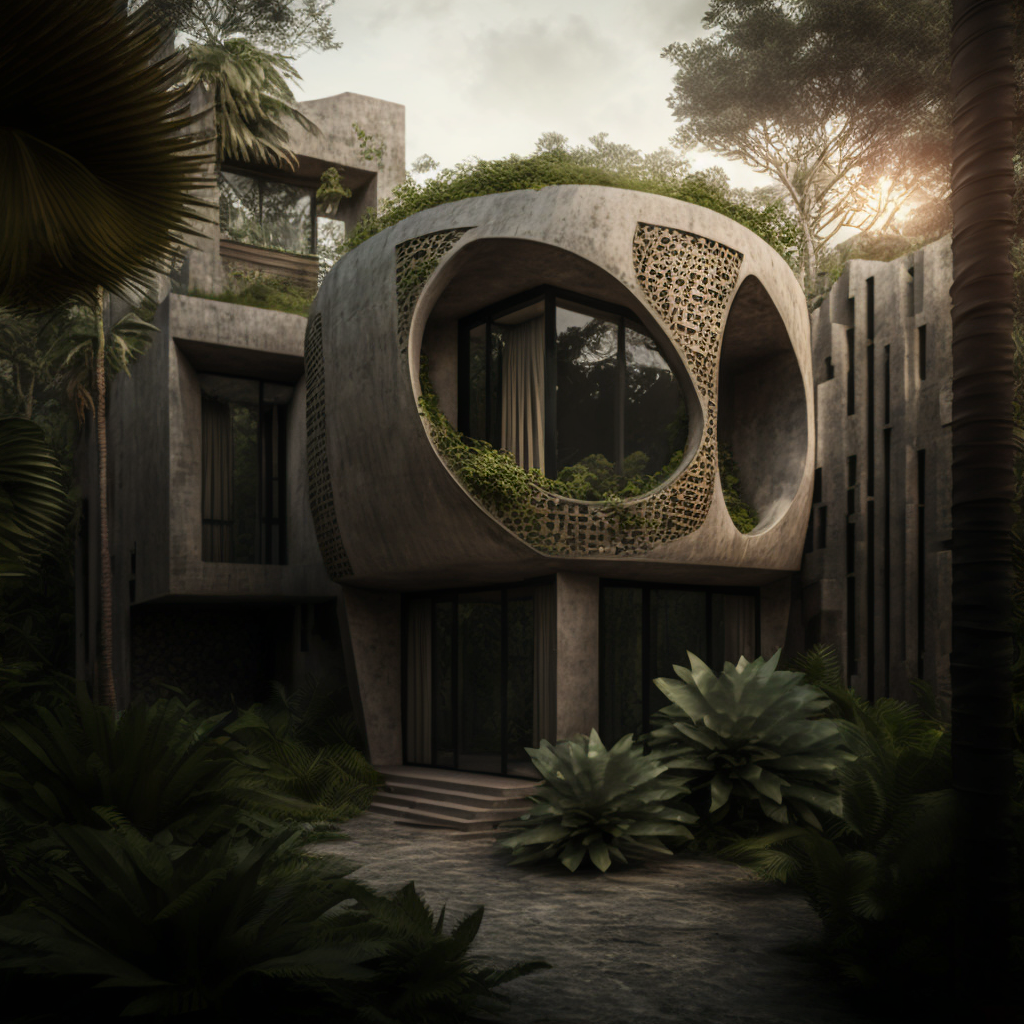
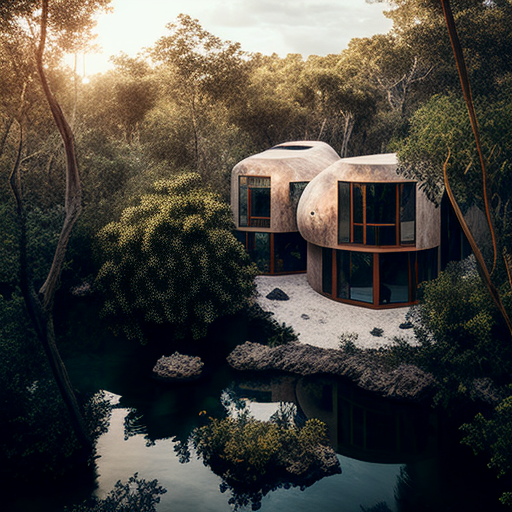
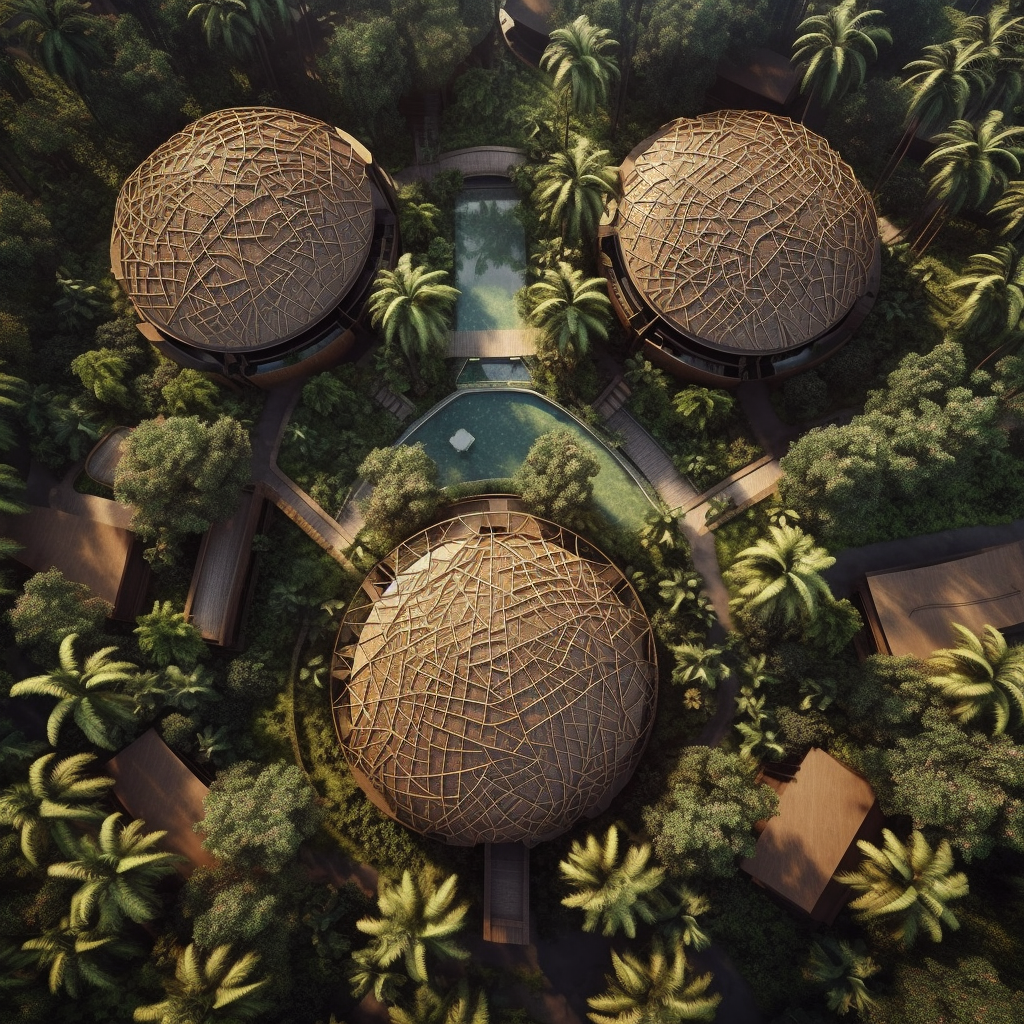
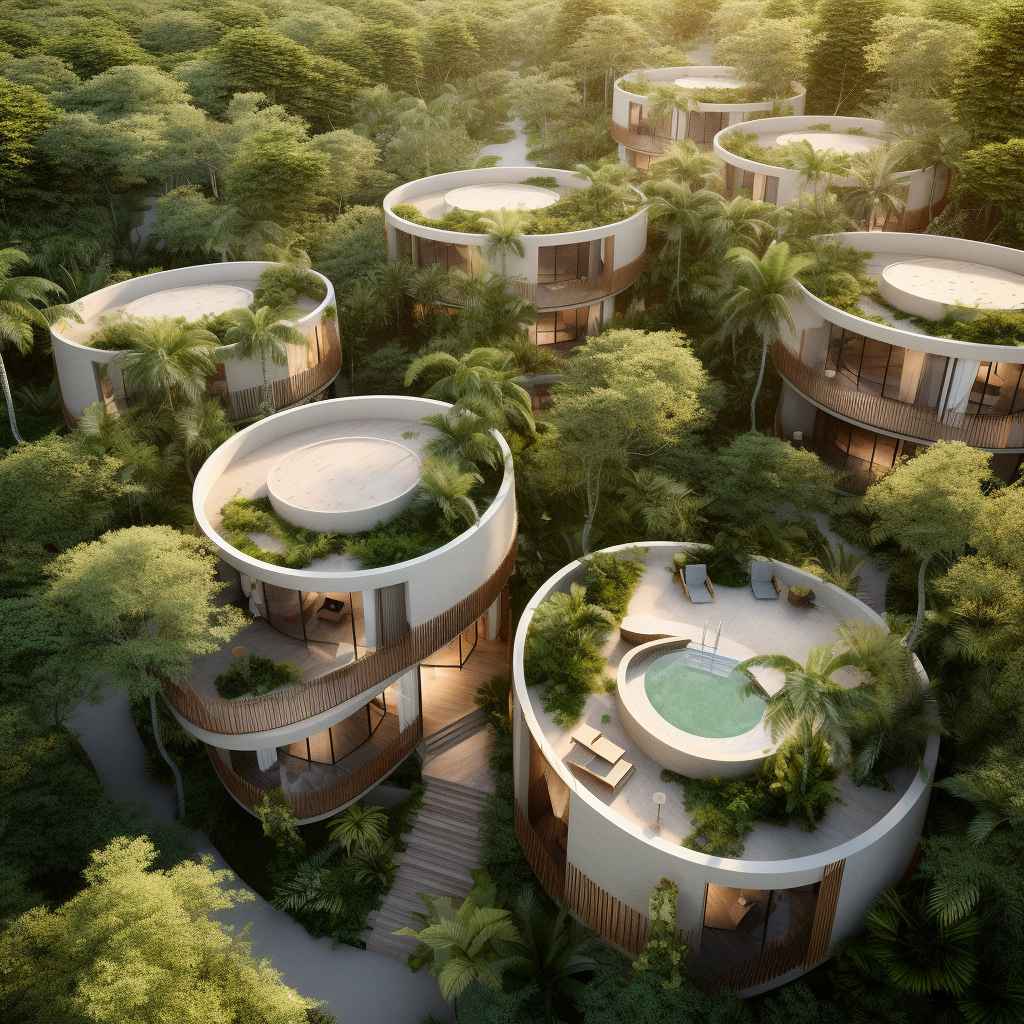
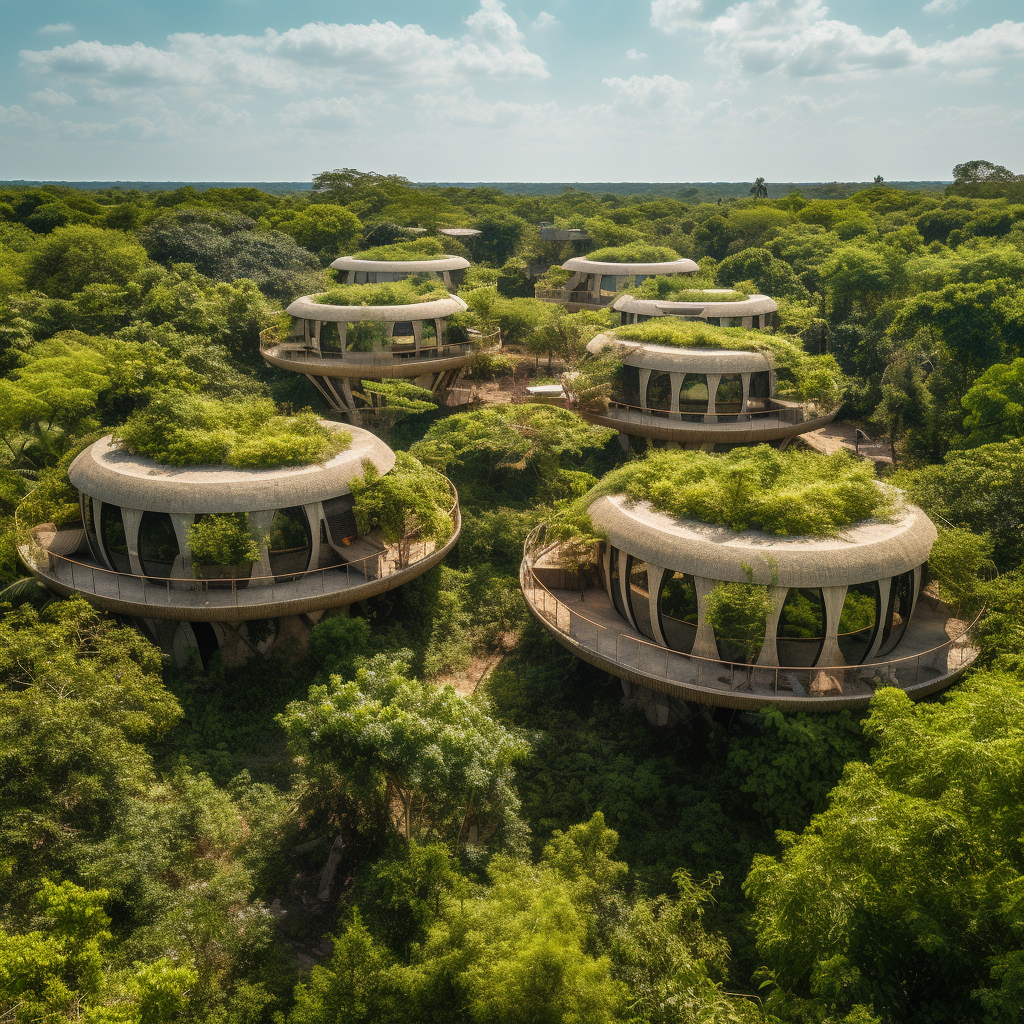
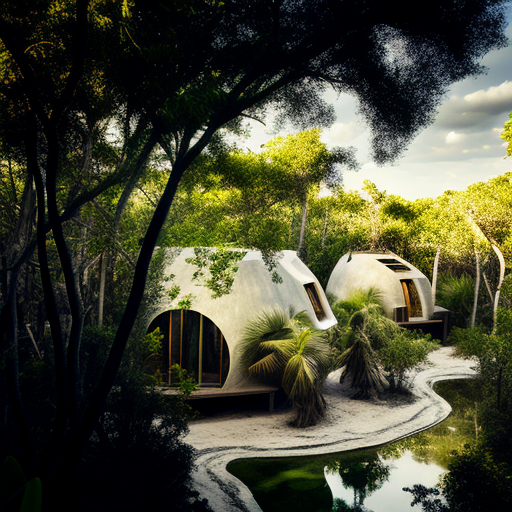
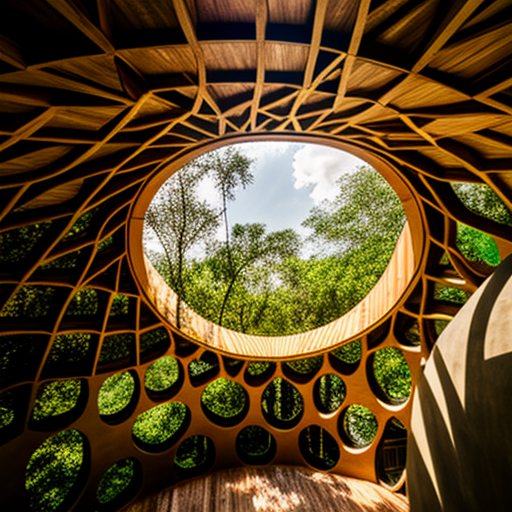
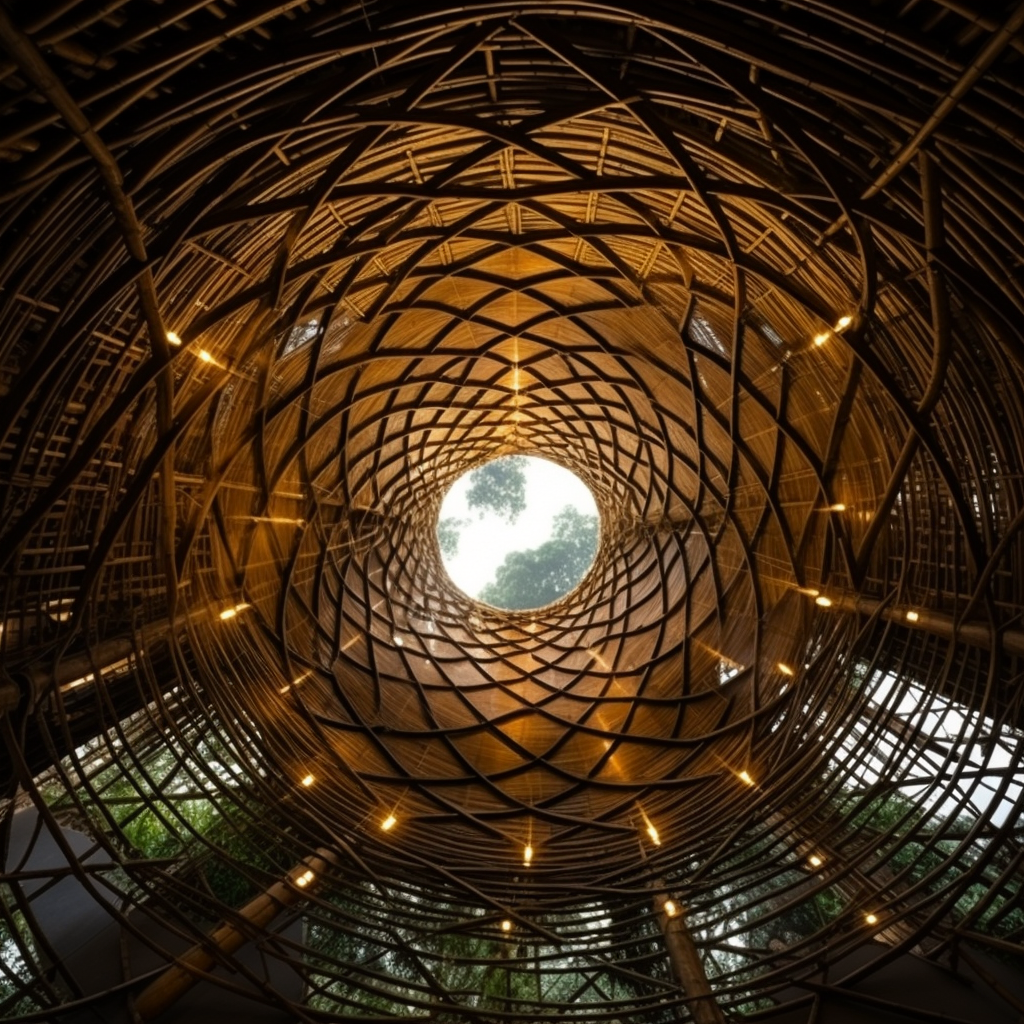
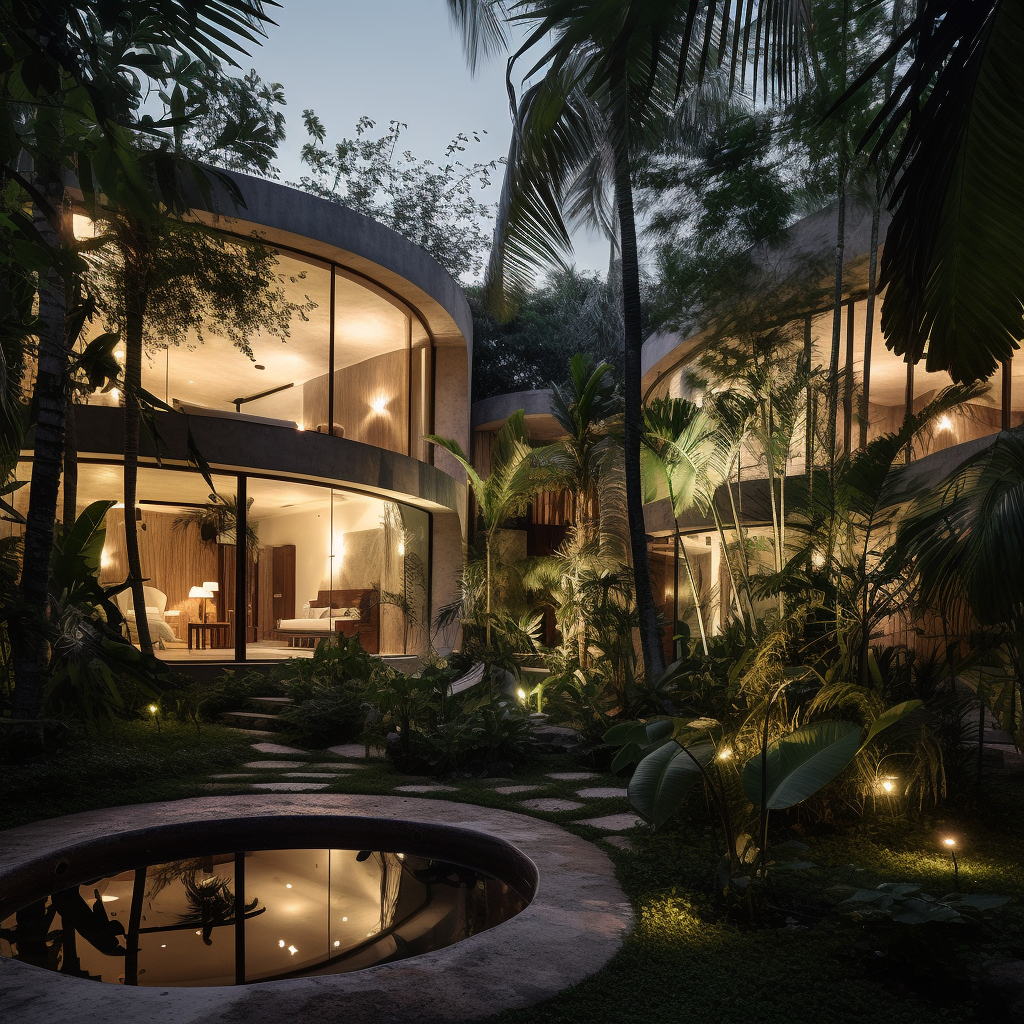
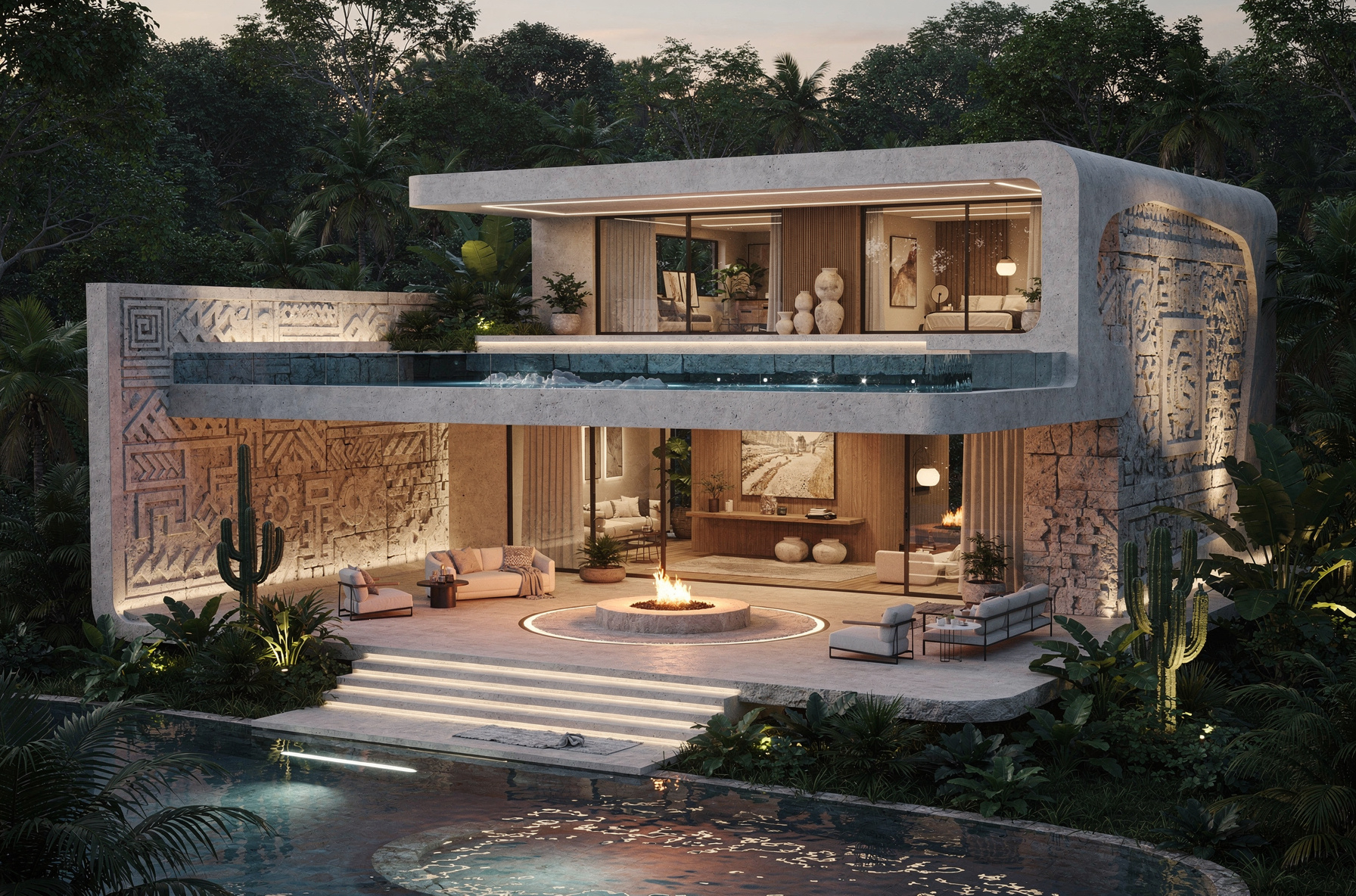
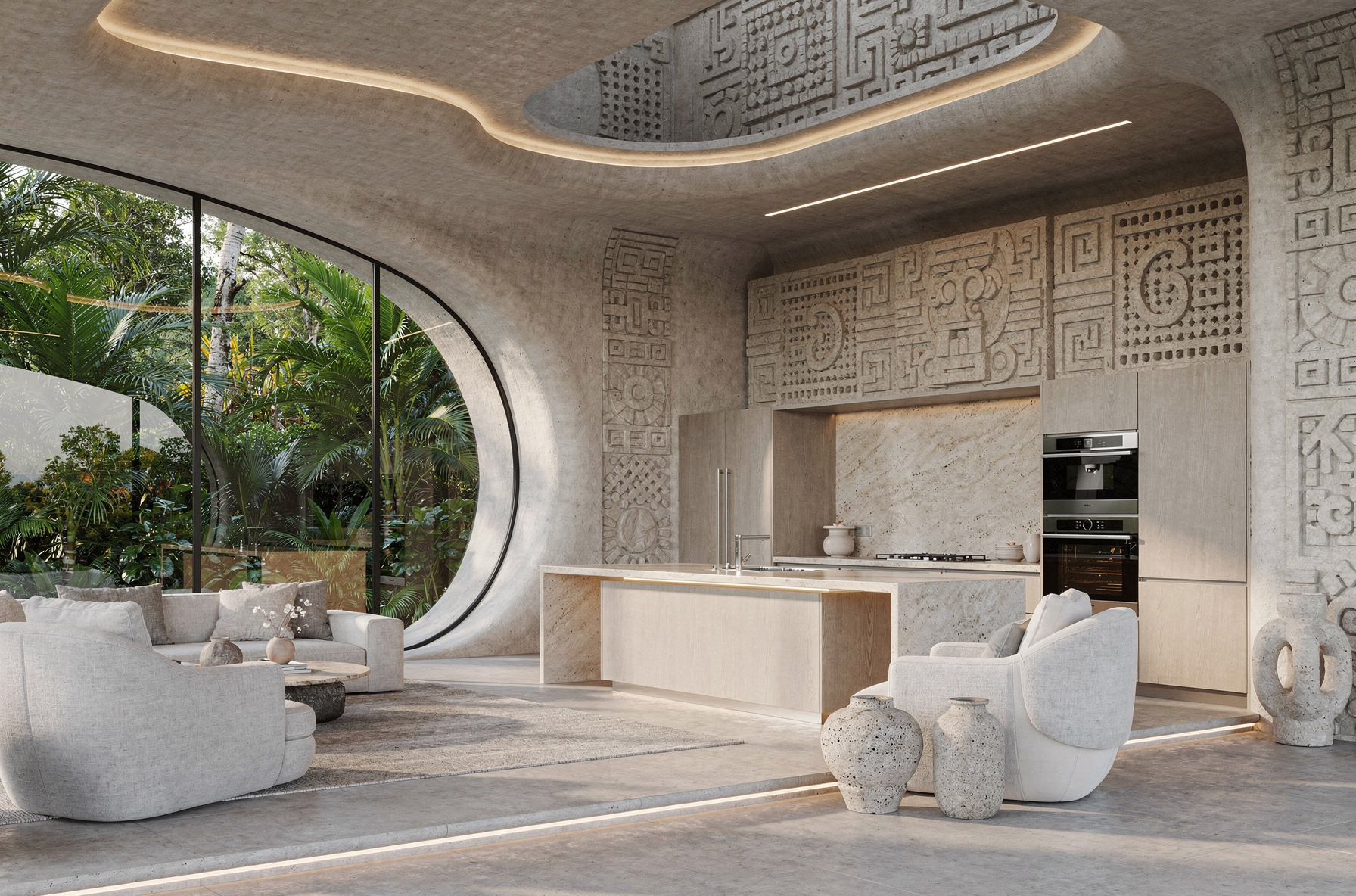
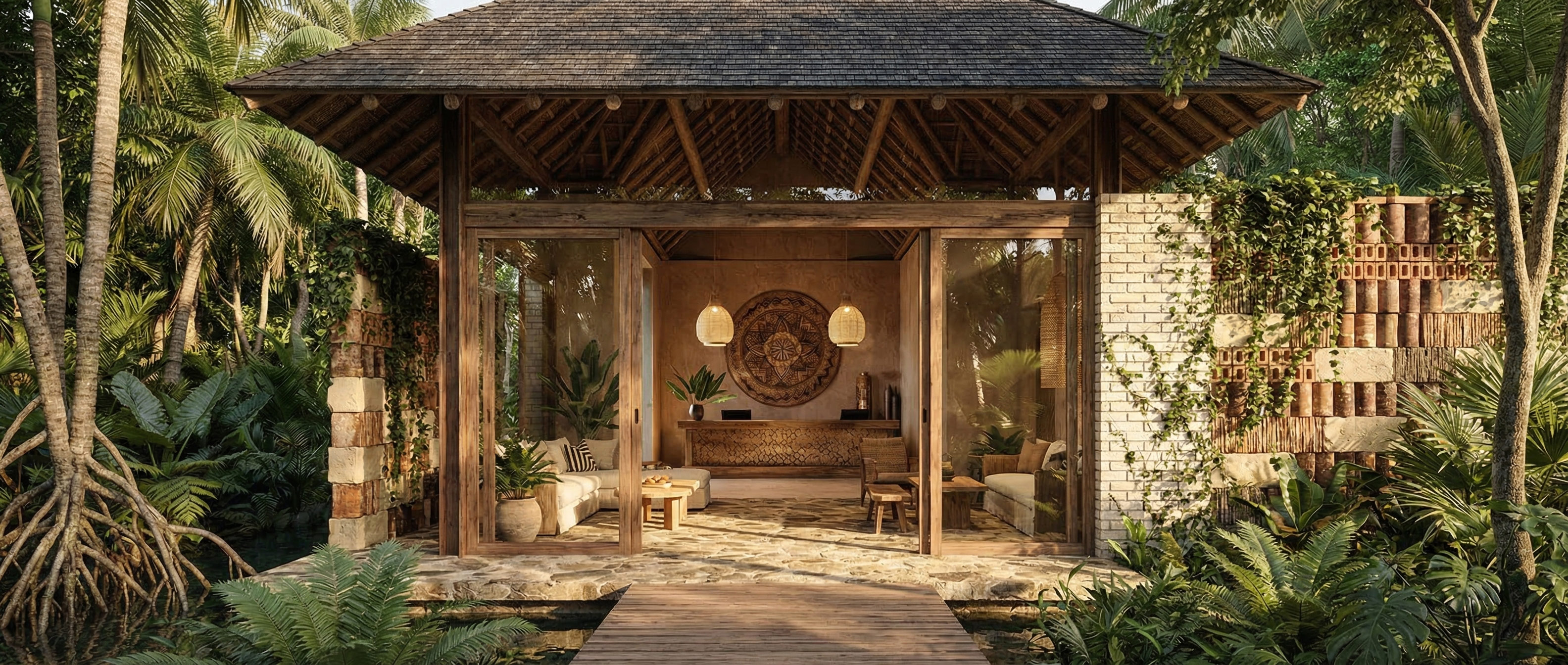
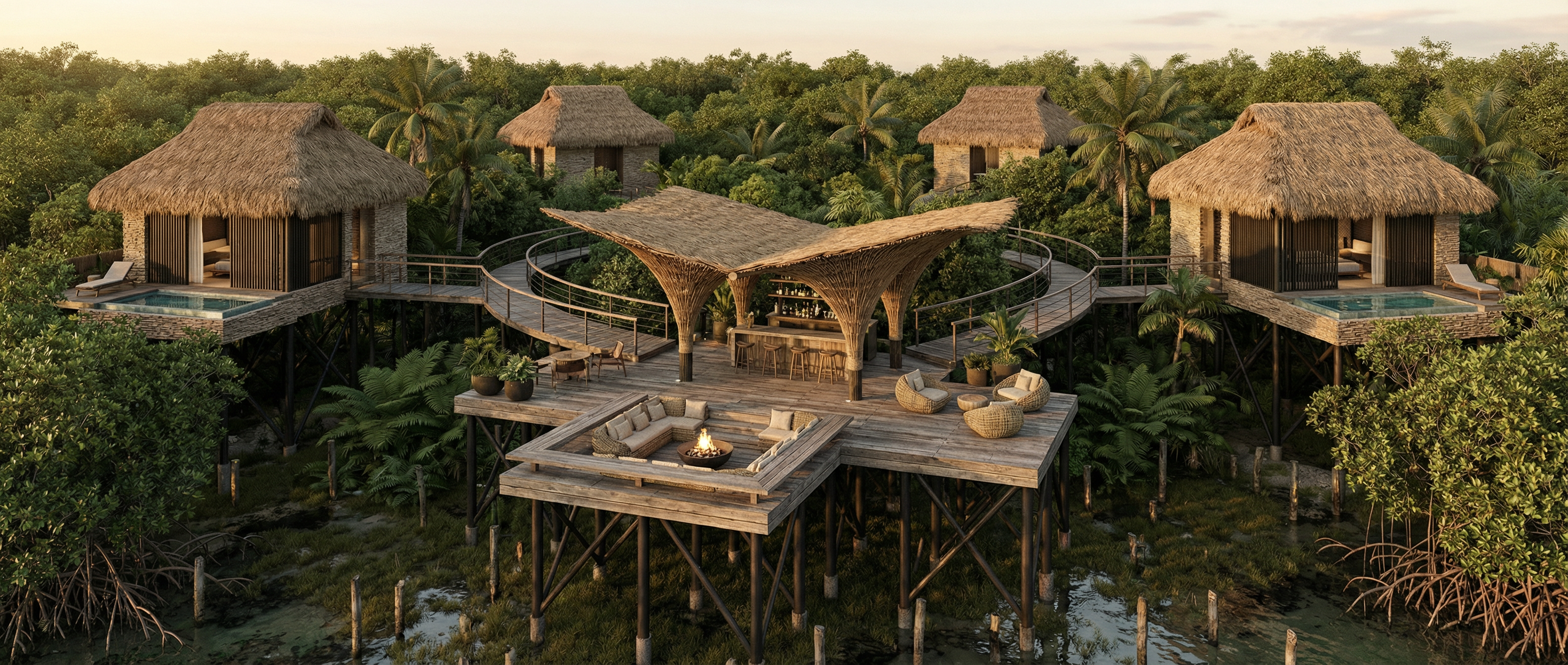
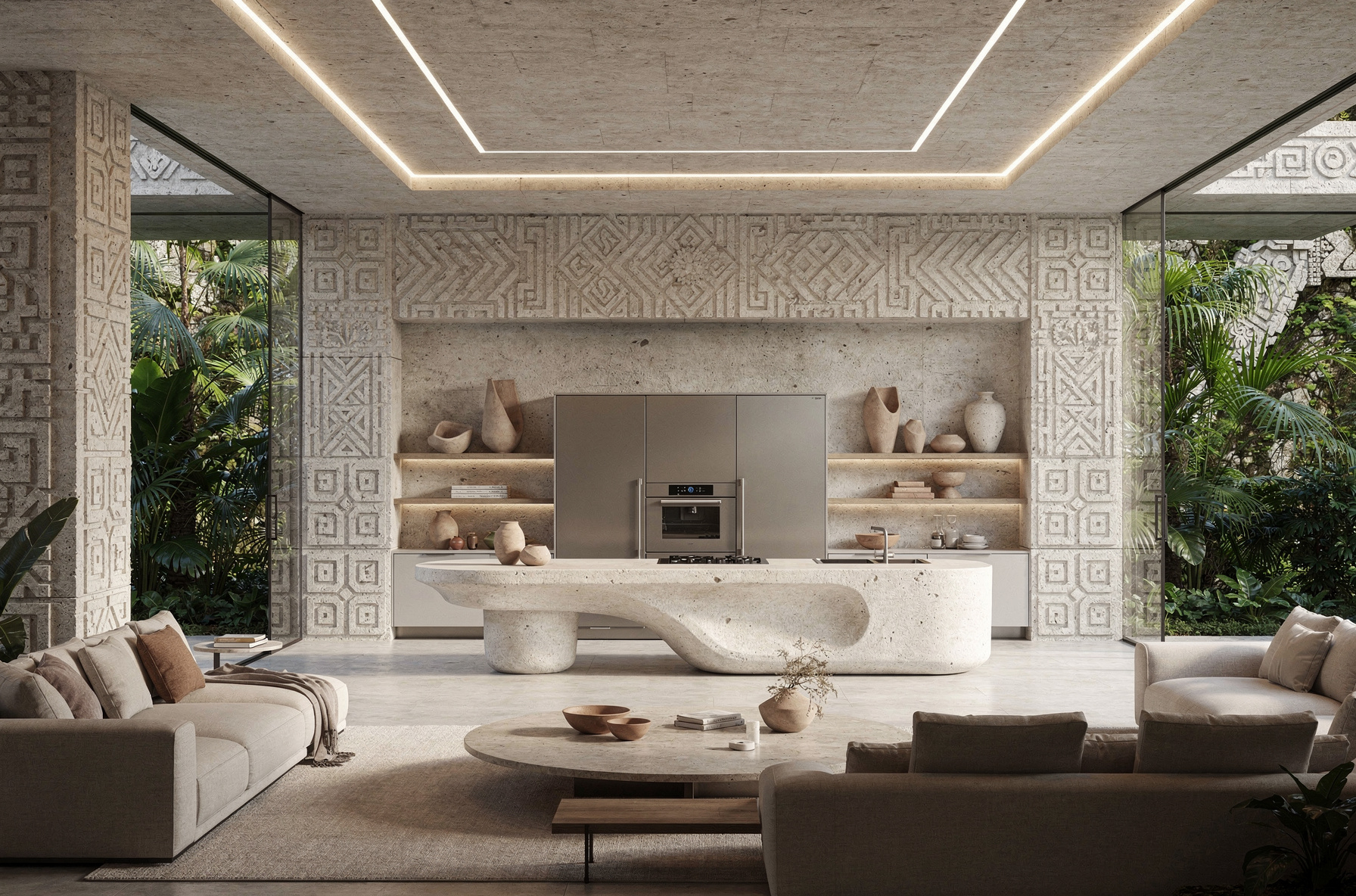
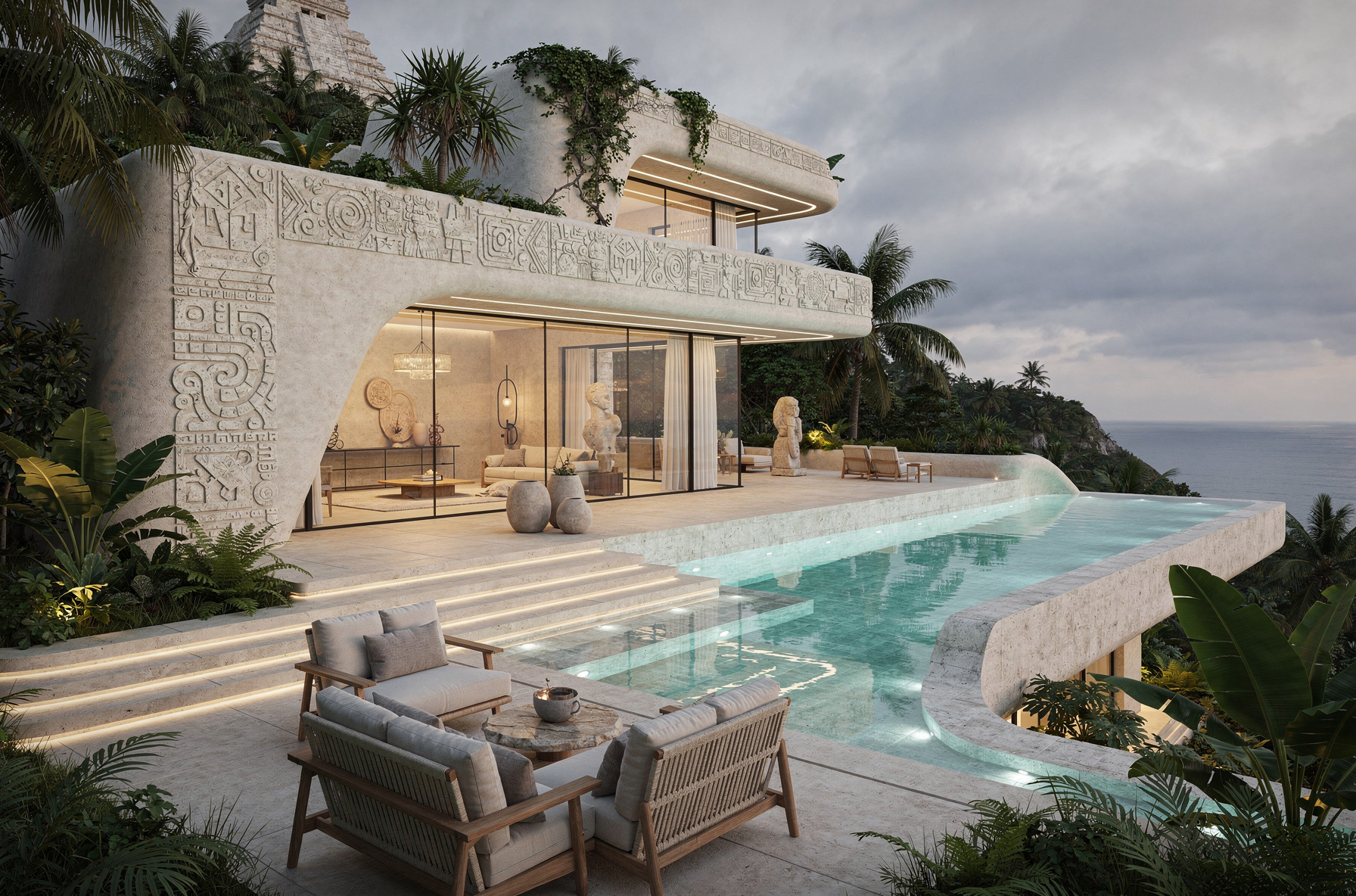
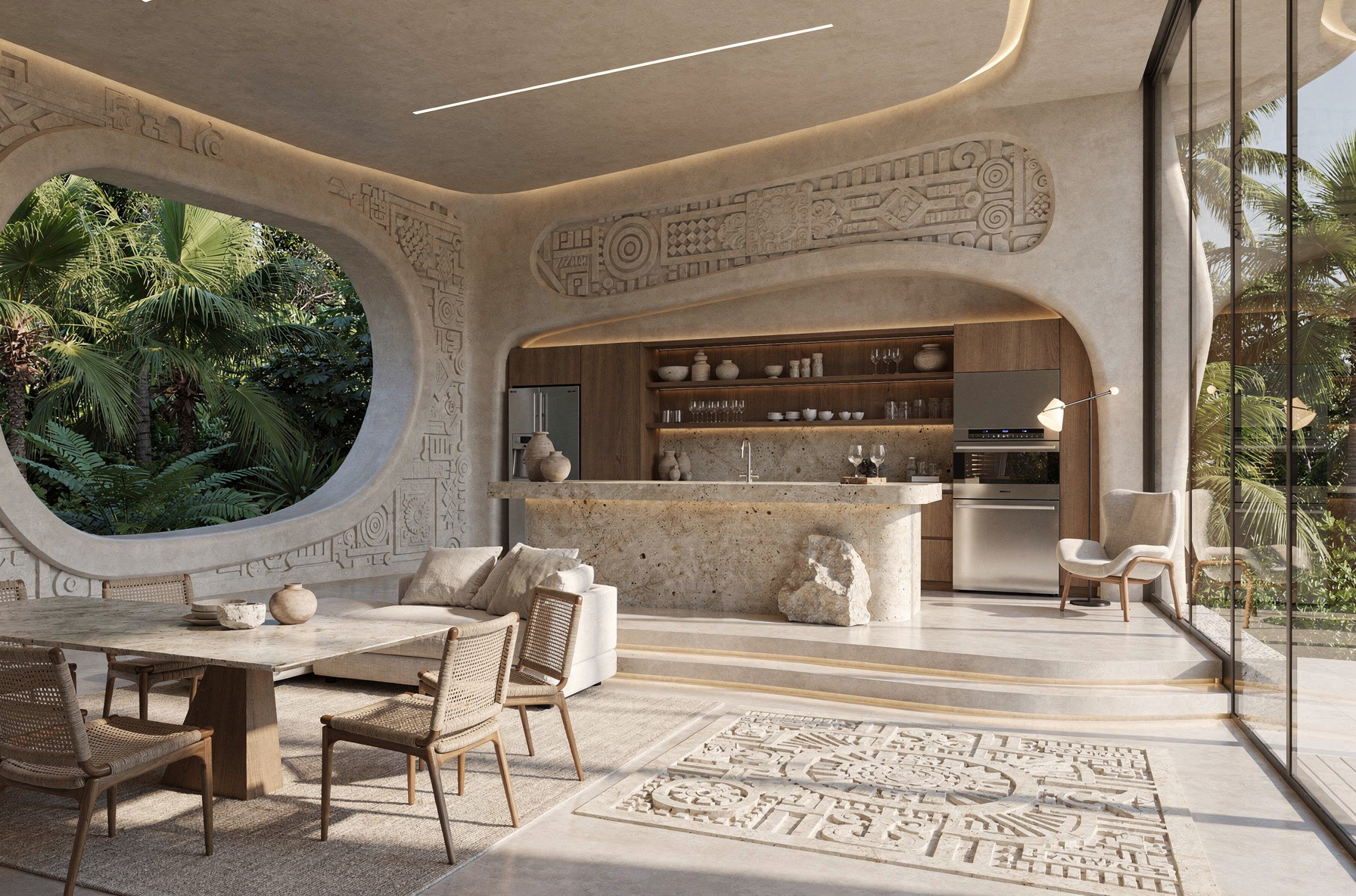
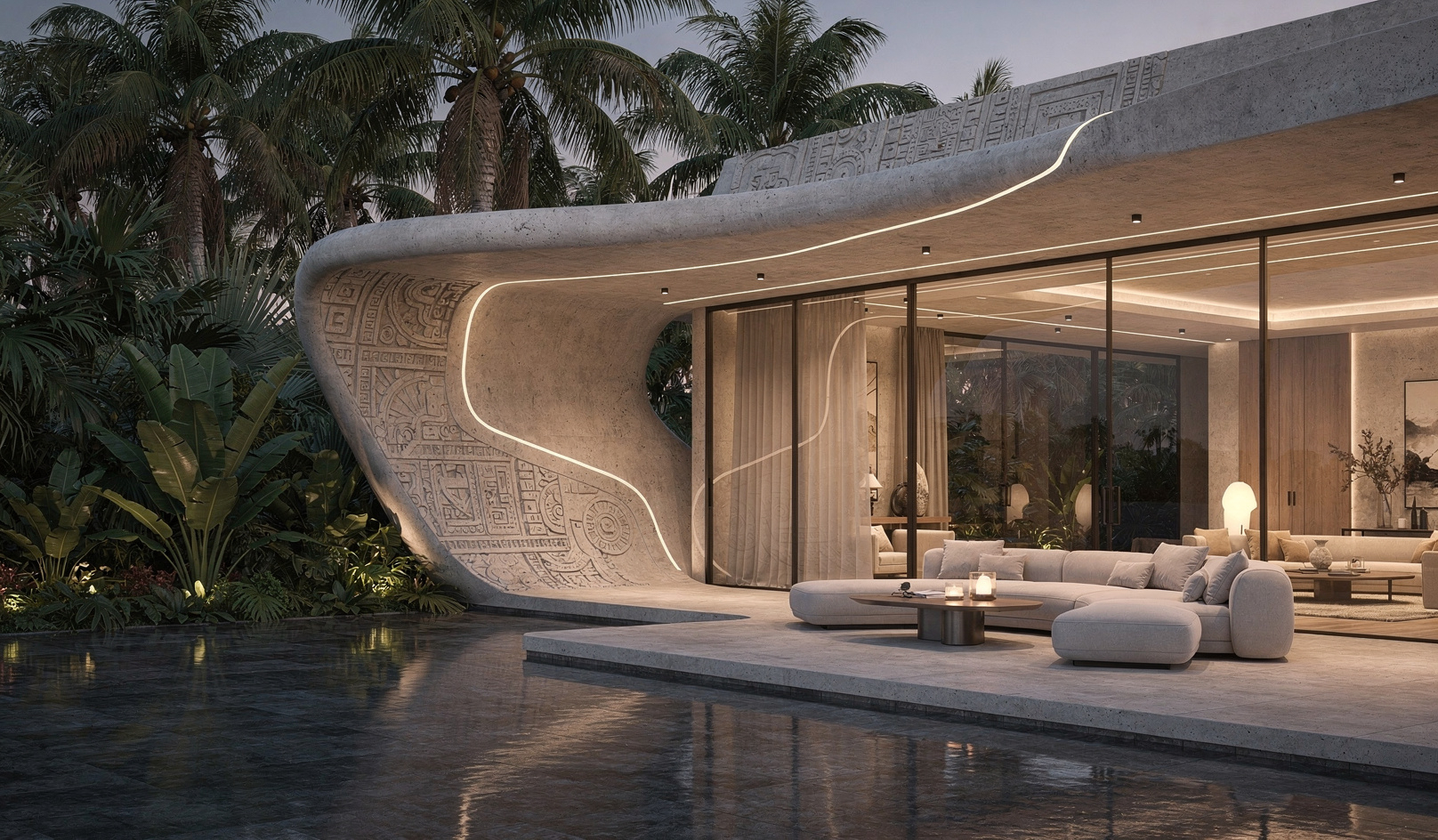
The initial vision for NEK HA emerged through MidJourney, co-created by a multidisciplinary team of designers, architects, and commercial strategists shaping the project from inception. Prompting became our new design language. Through it, we defined the vocabulary of the project: aligning form, function, and materiality across the entire team.
AI operated as a real-time visual extension of our thinking, allowing us to explore freely without the constraints of traditional tools. This shift reduced the need for heavy technical infrastructure in early stages, enabling us to focus on pure design while entrusting final renders to specialized partners.

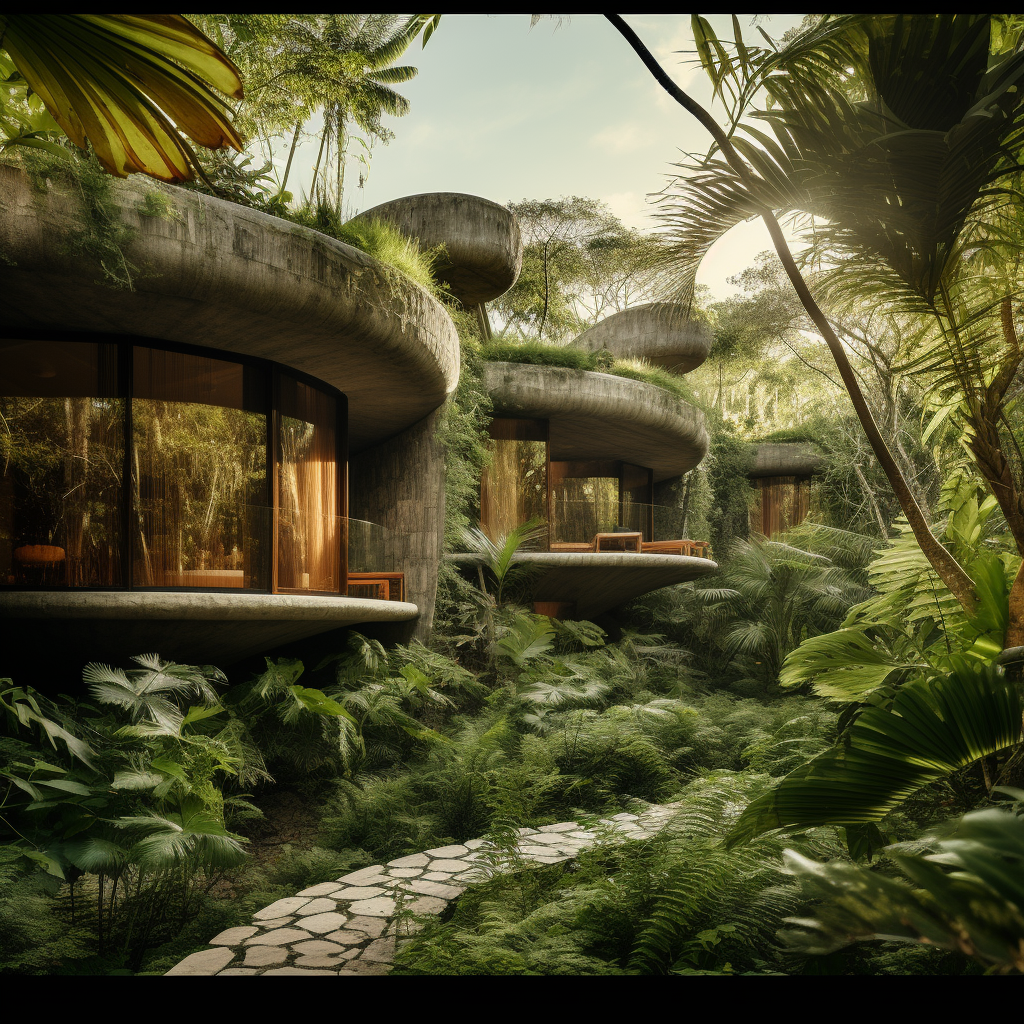
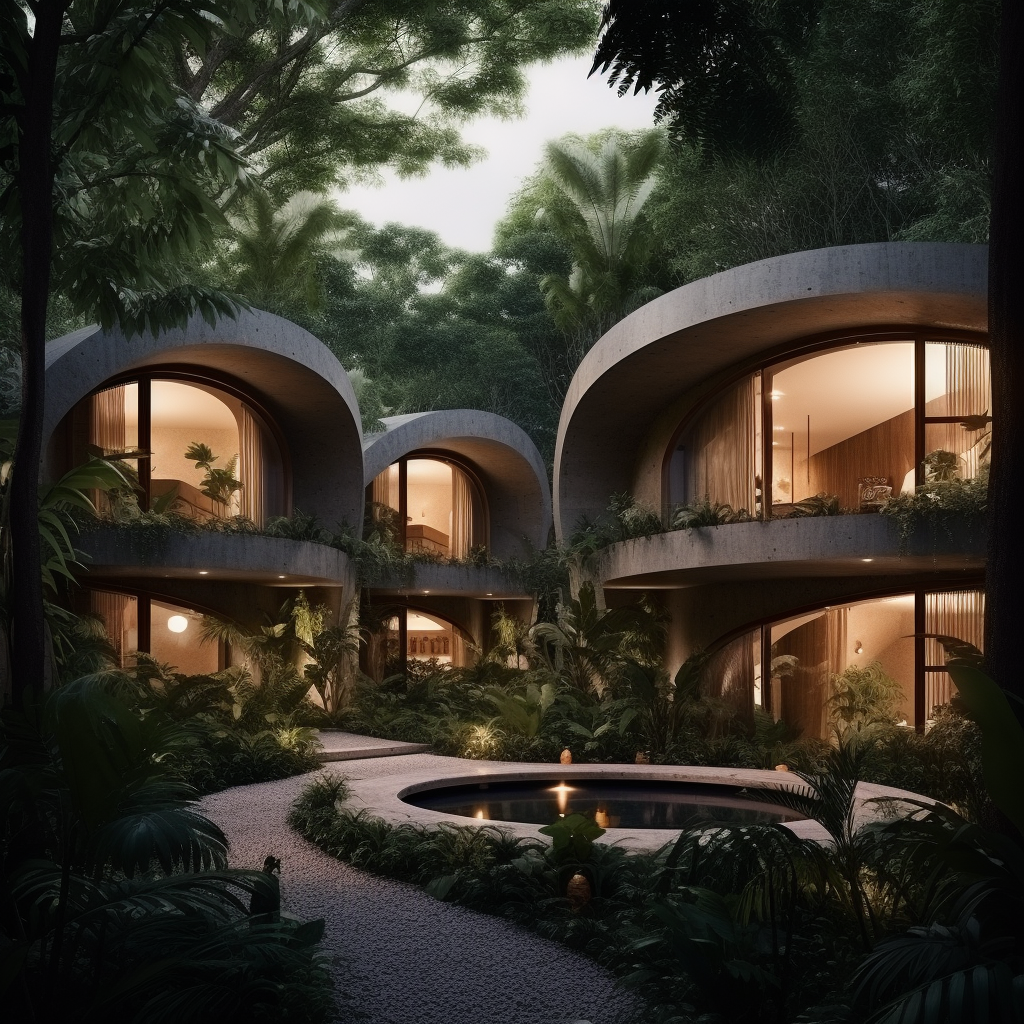
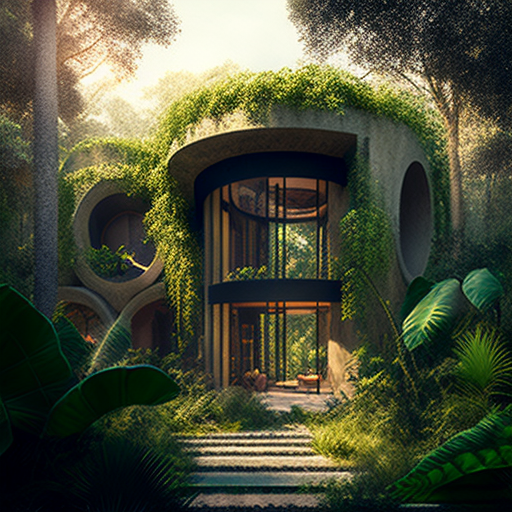
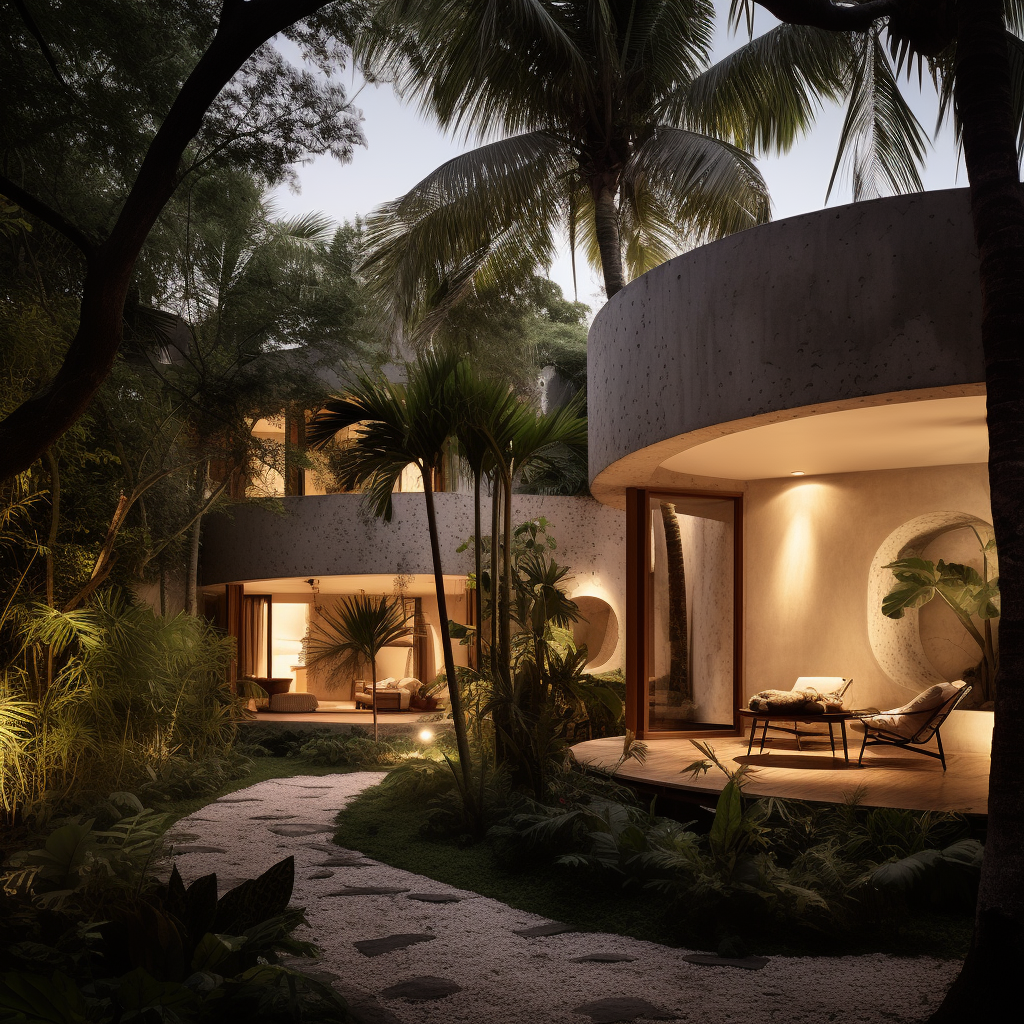
From Sketch to Possibility
Before AI, the process of translating ideas into visuals was both time-consuming and resource-intensive. Early sketches required multiple iterations, and high-quality renders often demanded significant investment, both in time and cost.
With AI, that equation changed.
We were suddenly able to:
- Generate multiple visual directions in minutes
- Explore architectural forms, materials, and atmospheres without constraint
- Iterate concepts rapidly without committing early to a fixed design
AI became an extension of the creative mind, a tool not to replace thinking, but to expand it.
2024 – 2025
Rethinking the Role of Renders
As developers focused on what we define as raw construction, we operate under a different philosophy:
Design is not static. It evolves.
Traditional renders, while useful for sales, often become obsolete the moment construction begins. In boutique development, where materials, site conditions, and craftsmanship continuously inform the outcome: the final product naturally improves beyond initial projections.
In this context, over-investing in hyper-realistic renders becomes inefficient.
AI allows us to shift that paradigm.
Instead of producing a limited number of expensive, fixed visuals, we generate a wide spectrum of conceptual imagery at a fraction of the cost-freeing resources to be reinvested where they matter most:
the built reality.
Efficiency as a Creative Advantage
Artificial intelligence has enabled a more strategic allocation of resources.
By reducing the financial and operational burden of early visualization, we are able to:
- Allocate more budget to materials and construction quality
- Enhance on-site decision-making
- Maintain flexibility throughout the development process
This is not just cost-saving: it is value reallocation.
And in real estate, where margins, quality, and differentiation define success, this shift is significant.


2025 – 2026
A Leap in Creative Exploration
Beyond efficiency, AI has unlocked something equally powerful:
Creative expansion.
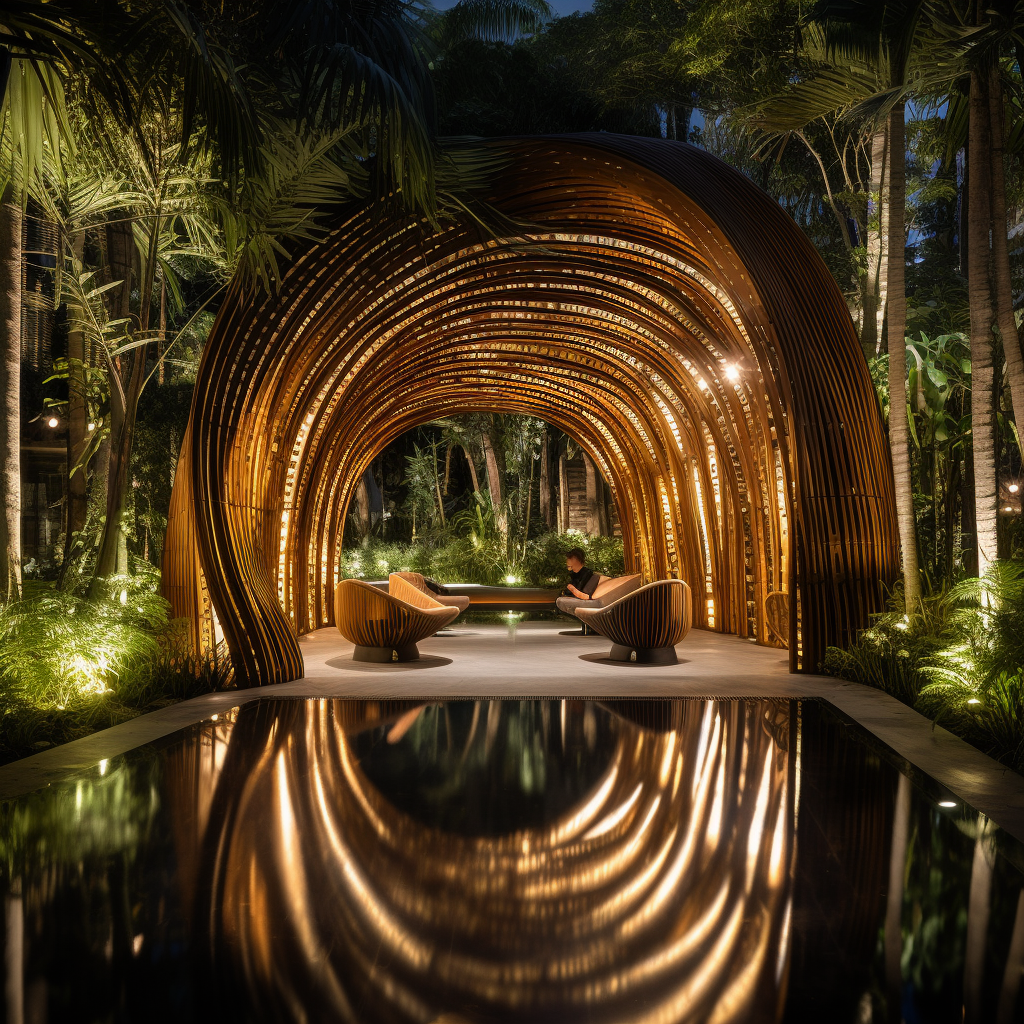
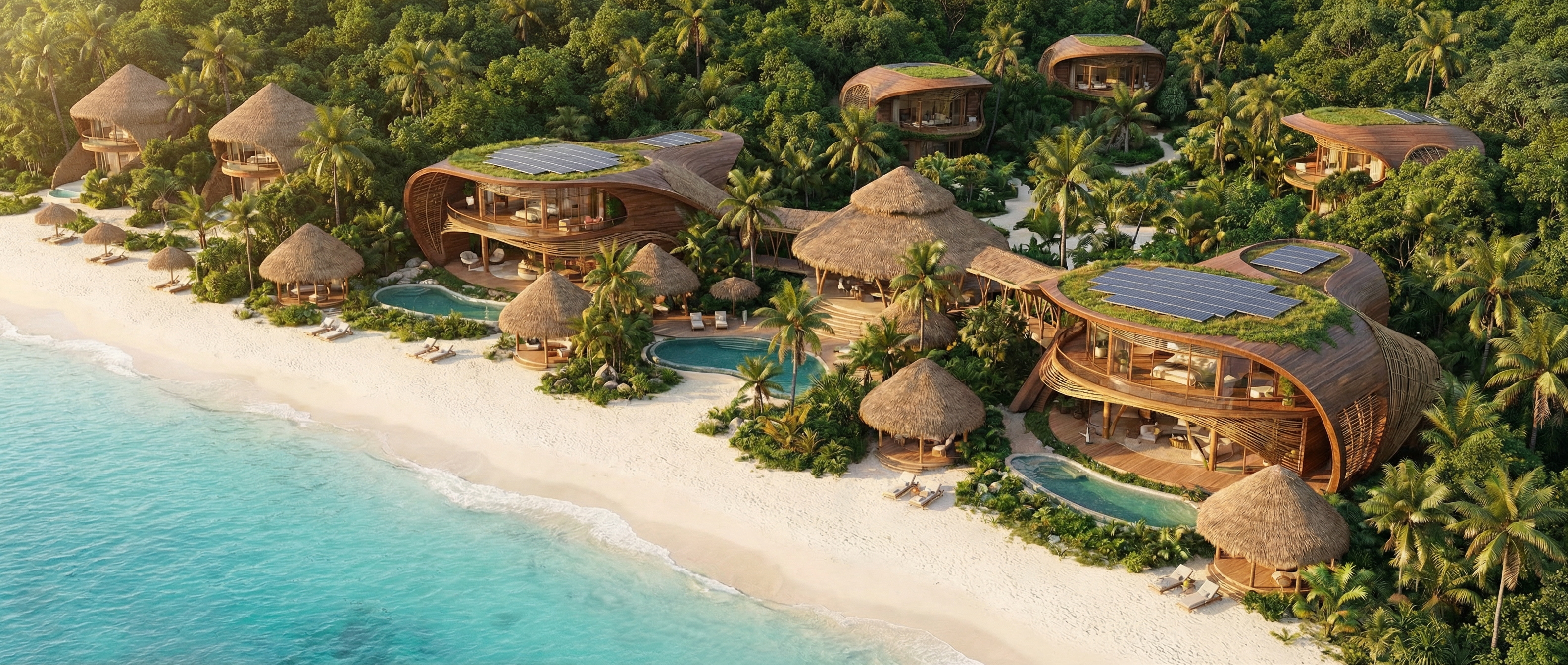
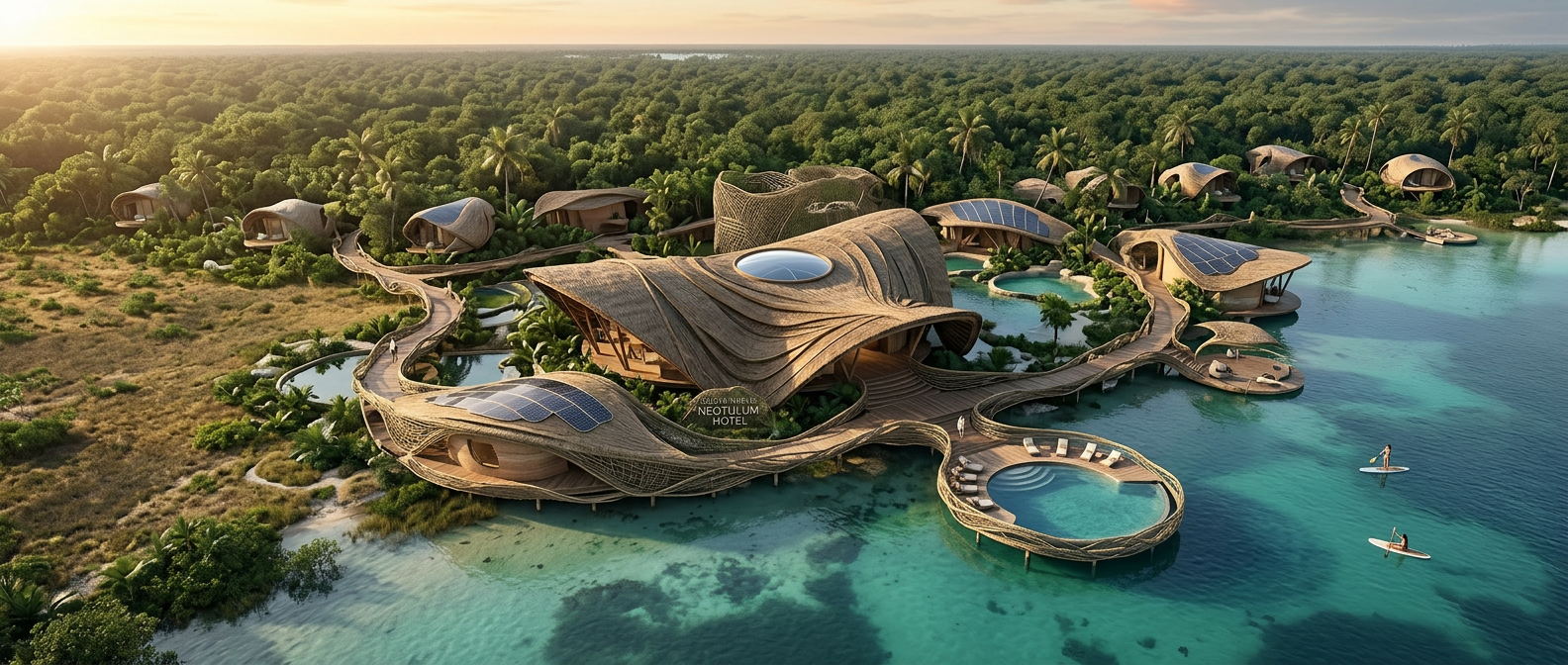
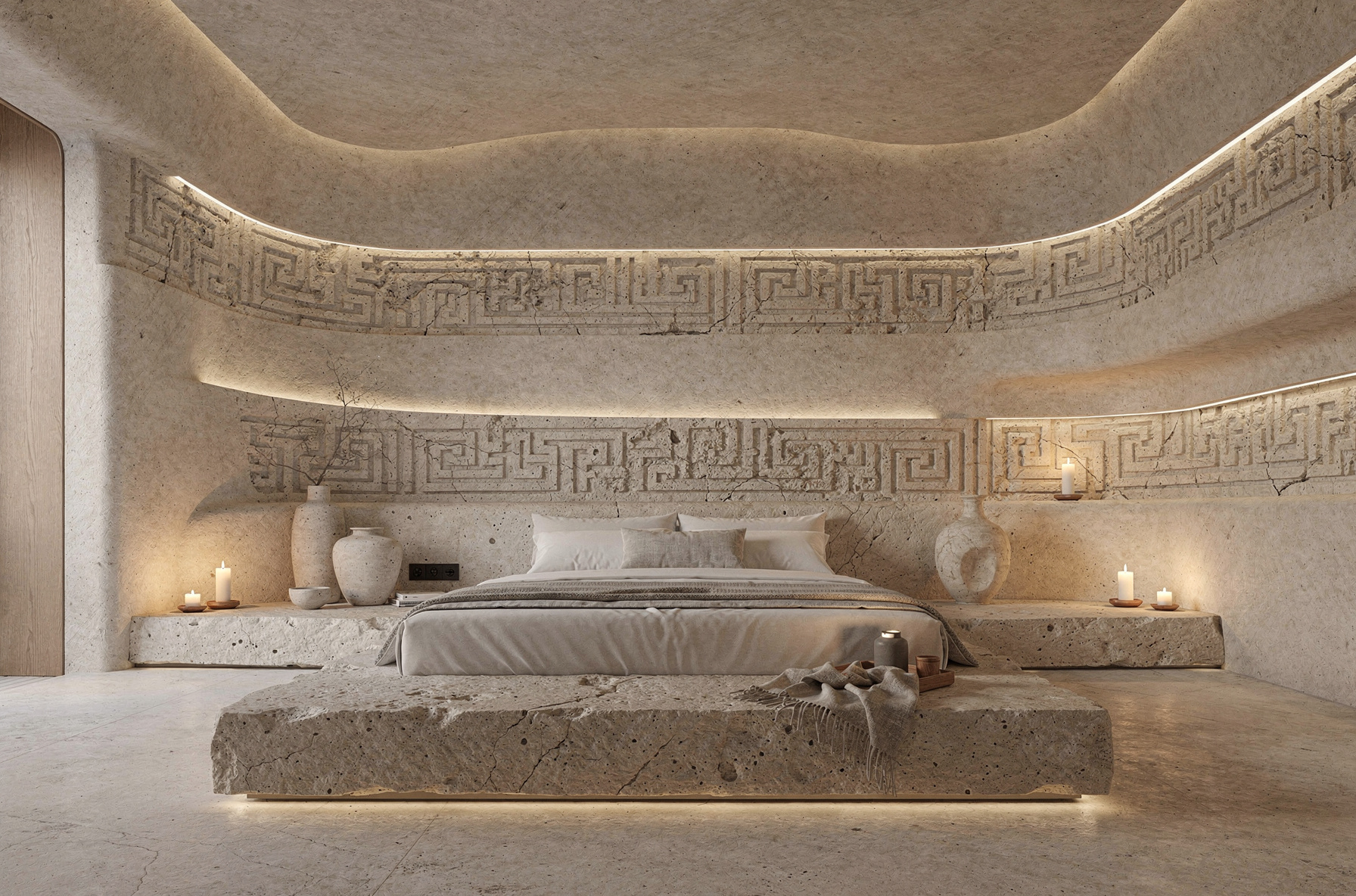
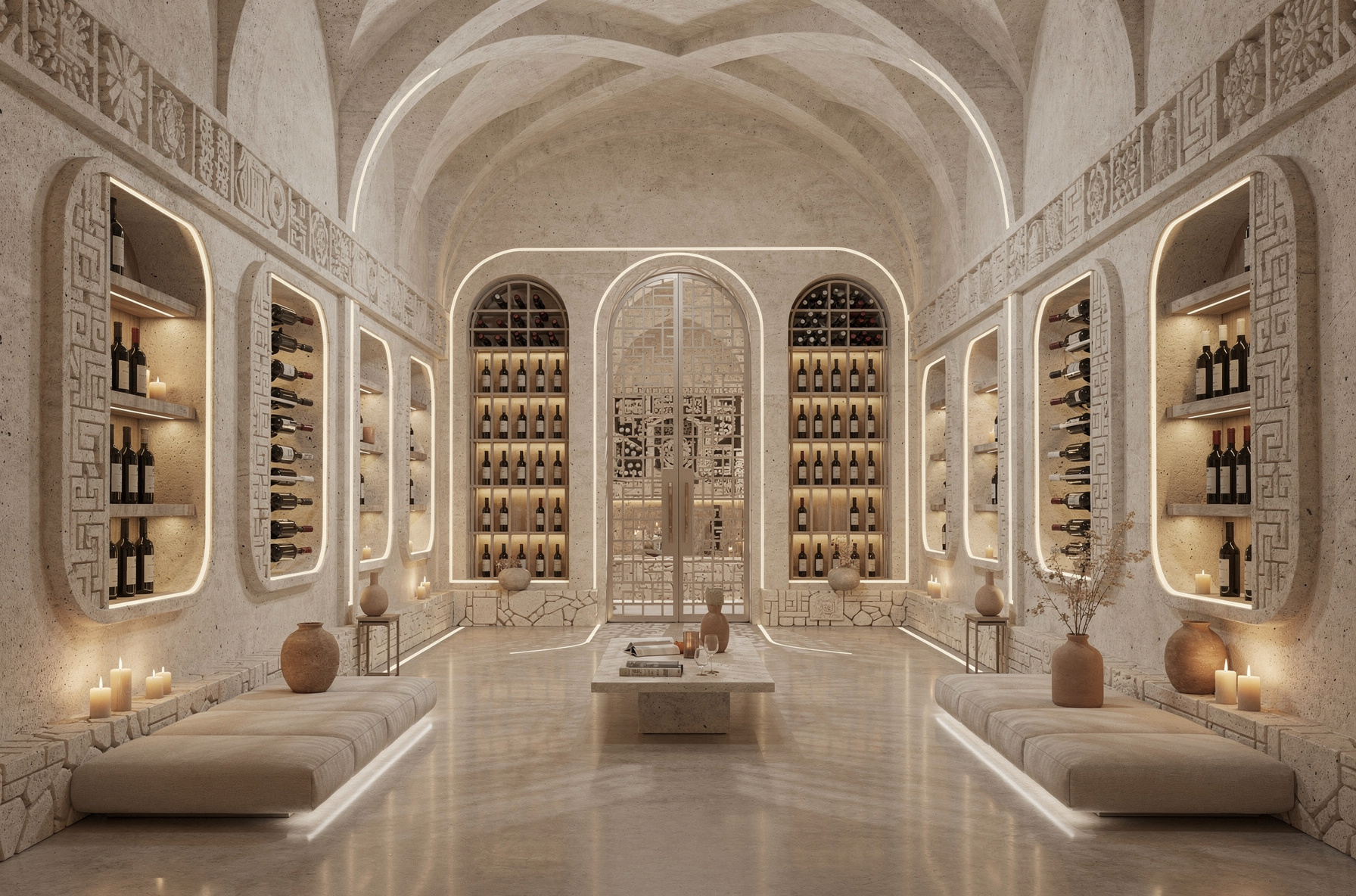
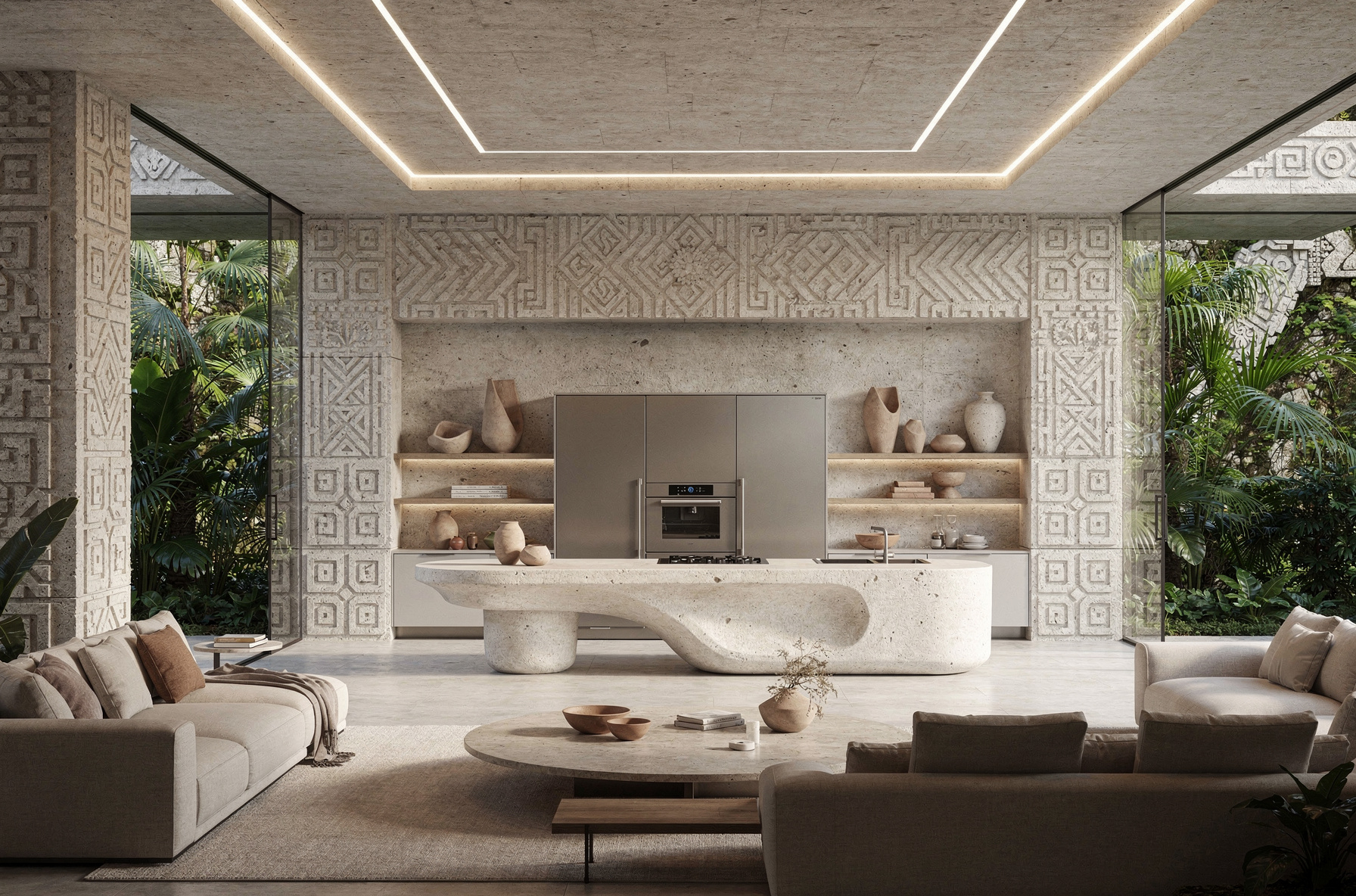
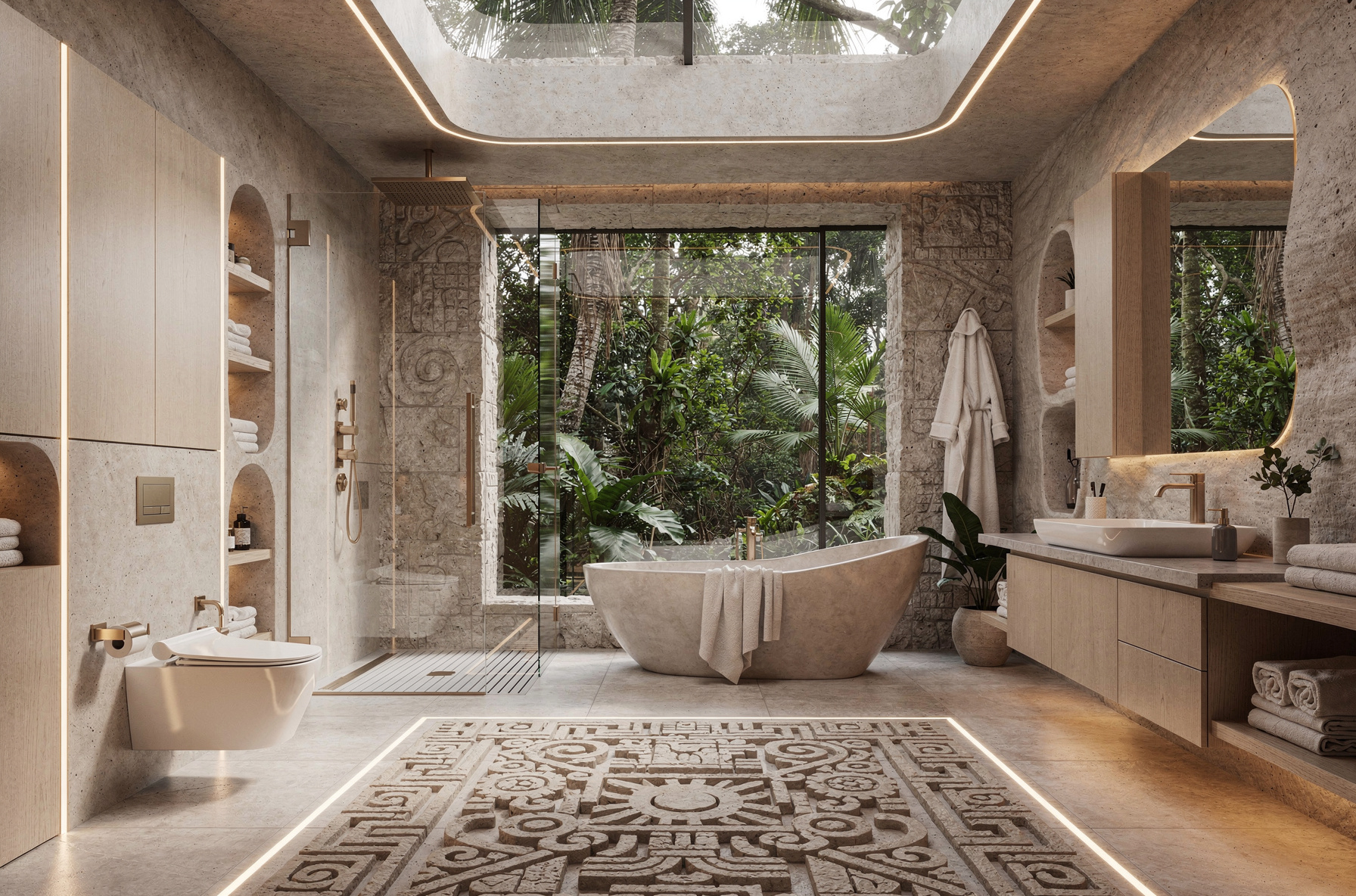
Tools like MidJourney, and more recently, Nano Banana and allow us to explore ideas that would have previously remained untested due to time or cost constraints. Organic geometries, material combinations, lighting conditions, and spatial atmospheres can now be visualized instantly.
This has led to:
- More daring design decisions
- Greater alignment between concept and execution
- A deeper exploration of bio-architecture and biomimetic principles
AI does not define the outcome, but it broadens the field of possibilities.




From Tool to Process
Today, artificial intelligence is no longer an experimental layer in our workflow, it is embedded within it.
From early concept development to narrative building and visual communication, AI plays a continuous role in shaping how projects evolve.
For architecture studios and developers, this is no longer optional.
For us, AI in 2026 It is a competitive advantage.
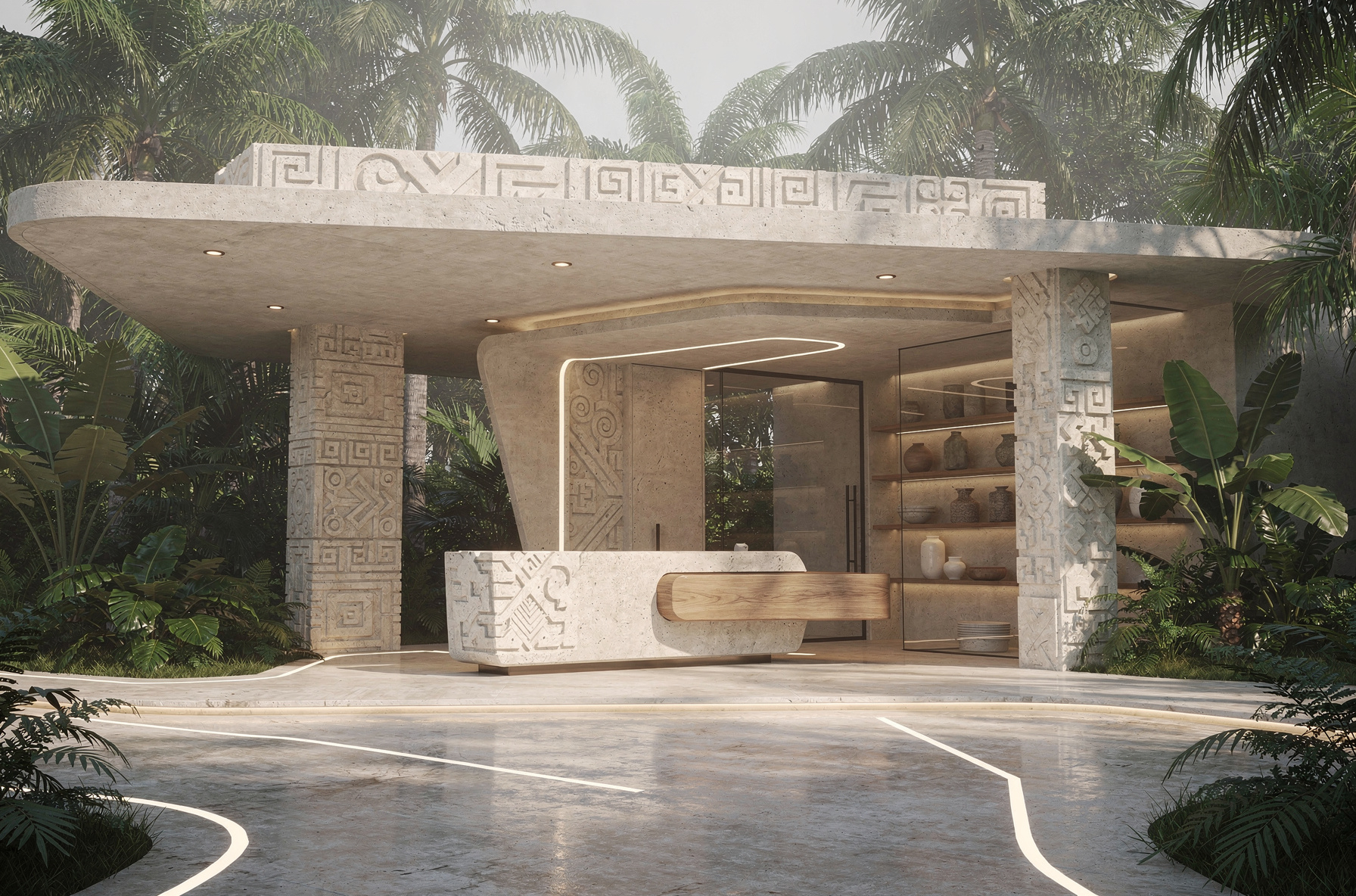
Those who integrate AI thoughtfully into their process will not only move faster, they will design better, communicate more clearly, and allocate resources more intelligently.
A More Honest Approach to Development
At its core, our philosophy remains unchanged:
To build with intention.
To design with honesty.
To prioritize the real over the representational.
AI supports this vision by allowing us to reduce unnecessary production layers and focus on what truly defines a project:
- Spatial quality
- Material integrity
- Human experience
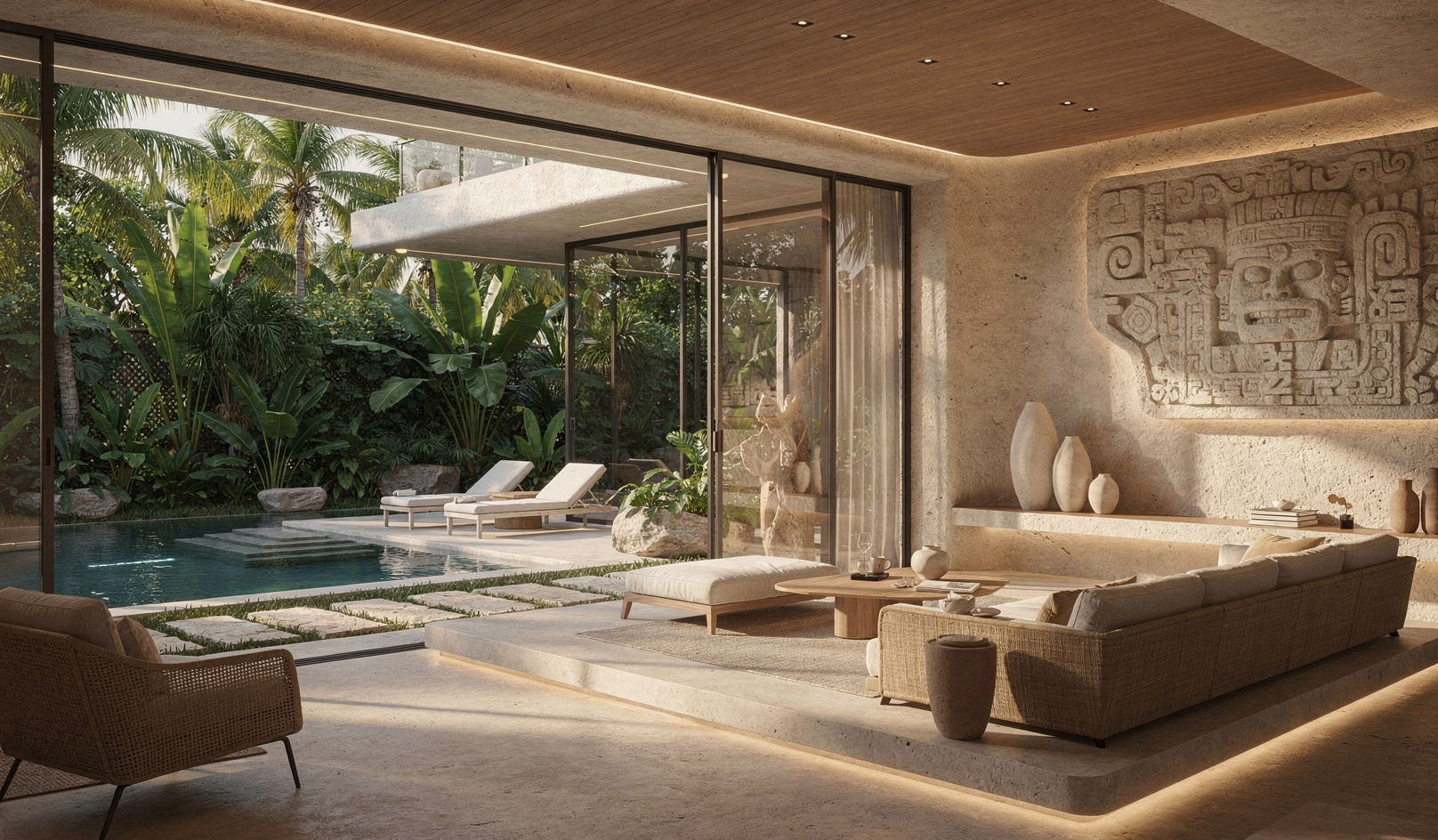
In this sense, artificial intelligence is not replacing craftsmanship: it is protecting it.
The Future Is Already Integrated
Having explored AI since its early introduction, we see it now as an essential component of modern development.
Not as a trend, but as infrastructure.
As the tools continue to evolve, so will their impact, but the principle remains clear:
Technology should serve creativity, not constrain it.
And design should always serve life.
Artificial Intelligence didn’t change what we build.
It changed how clearly we can imagine it, and how efficiently we can bring it to life.

By Carlos Barrera Puga.
Experience Design, Marketing & Commercial Strategy